Quick Answer: Silicon carbide (SiC) is one of the hardest known materials, making it ideal for use as an abrasive. Its excellent hardness, wear resistance, and thermal stability make it highly suitable for various grinding, polishing, and surface preparation applications. This article explores the role of silicon carbide in abrasive manufacturing and its advantages in different processes.
What is Silicon Carbide?
Silicon carbide (SiC) is a compound made up of silicon and carbon atoms. It is one of the hardest materials available, ranking just below diamond on the Mohs scale of hardness. Due to its exceptional hardness, wear resistance, and thermal stability, silicon carbide is used in a wide range of abrasive materials for grinding, polishing, and cutting applications.
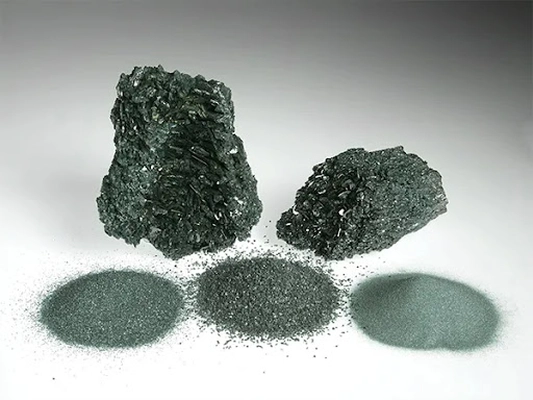
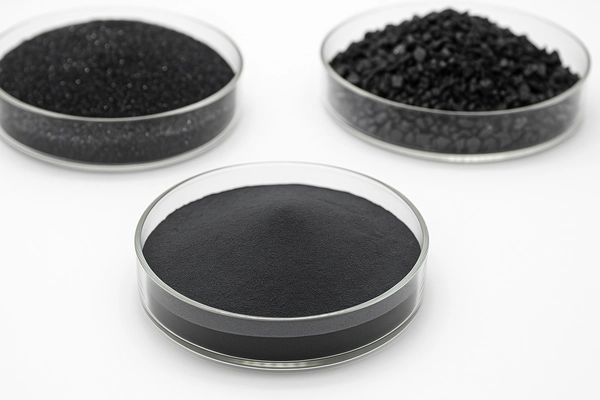
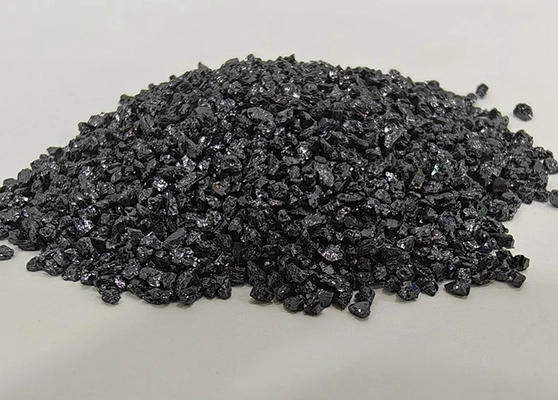
Silicon carbide can be produced in different forms, such as powder and grit, and is used in various industries, including manufacturing, automotive, aerospace, and electronics, for its outstanding abrasive properties.
The Role of Silicon Carbide in Abrasive Manufacturing
In the world of abrasive manufacturing, the material chosen plays a crucial role in determining the effectiveness and efficiency of the abrasive product. Silicon carbide abrasives stand out as one of the most important materials due to their hardness and durability. Unlike other abrasives such as aluminum oxide, silicon carbide's superior hardness makes it ideal for fine grinding and polishing tasks.
Silicon carbide is typically produced through the reaction of sand and carbon in an electric furnace at high temperatures. The resulting material is then crushed and classified into various sizes, which are used in different grinding and polishing applications. Silicon carbide’s ability to resist wear, even under extreme conditions, gives it an edge over many other abrasives.
Advantages of Silicon Carbide as an Abrasive
Silicon carbide offers several advantages that make it highly effective in abrasive manufacturing:
- Hardness: Silicon carbide is one of the hardest materials available, with a hardness rating close to 9.5 on the Mohs scale. This makes it effective in cutting and grinding hard materials like ceramics, stone, and steel.
- Wear Resistance: Due to its durability and resistance to wear, silicon carbide abrasives last longer than many other materials, making them ideal for heavy-duty grinding and polishing tasks.
- Thermal Stability: Silicon carbide can withstand high temperatures without degrading, making it an excellent choice for applications where heat is generated, such as in high-speed grinding and polishing operations.
- Sharpness: Silicon carbide’s angular particles provide sharper cuts and finer finishes, making it ideal for precision grinding and polishing applications.
Applications of Silicon Carbide in Abrasive Manufacturing
Silicon carbide is used in a variety of abrasive applications due to its unique properties. Some of the most common applications include:
1. Grinding and Polishing
Silicon carbide is used extensively in the production of grinding wheels, sandpapers, and polishing tools. Its hardness and sharpness make it ideal for cutting and shaping hard materials, including metals, ceramics, and stones. In polishing applications, silicon carbide abrasives are used to achieve a smooth, high-quality finish on surfaces.
2. Sandblasting
Due to its hardness and durability, silicon carbide is also used in sandblasting applications, where it is employed to clean, etch, and prepare surfaces for painting, coating, or further processing. It is especially effective in removing rust, paint, and other coatings from metal surfaces.
3. Manufacturing of Refractories
Silicon carbide’s high thermal stability makes it an ideal material for the production of refractory materials used in furnaces, kilns, and other high-temperature environments. In abrasive manufacturing, silicon carbide is used to create durable and heat-resistant products that can withstand extreme conditions.
4. Polishing Semiconductor Materials
Silicon carbide is also used in the semiconductor industry for polishing wafers and other components. Its fine, sharp particles help achieve the smooth surfaces required for high-performance semiconductor devices.
FAQs
Why is silicon carbide used in abrasives?
Silicon carbide is used in abrasives due to its exceptional hardness, wear resistance, and thermal stability. These properties make it suitable for heavy-duty grinding, polishing, and cutting tasks, especially for hard materials like ceramics, stone, and metals.
What makes silicon carbide better than other abrasives?
Compared to other abrasives like aluminum oxide, silicon carbide is harder, more wear-resistant, and more thermally stable. These qualities make it more effective in fine grinding, polishing, and high-speed applications where other abrasives may wear out faster.
Can silicon carbide be used for all types of grinding?
While silicon carbide is highly effective for grinding hard materials such as ceramics, glass, and stone, it may not be the best choice for soft materials. For softer metals, aluminum oxide abrasives are typically preferred.
References
- ASM Handbook – Abrasive Materials and Manufacturing
- Materials Science on Silicon Carbide Applications
- Industry Standard Refractory Products – Silicon Carbide in High-Temperature Environments