Summary:
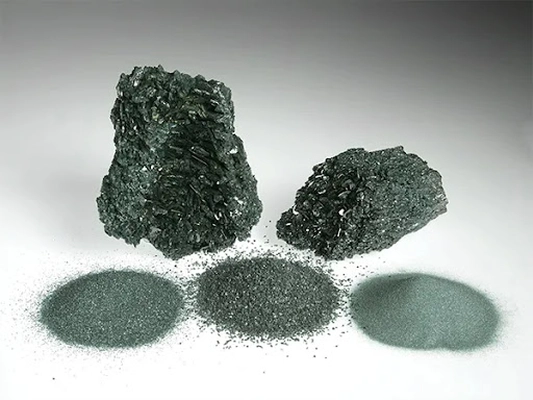
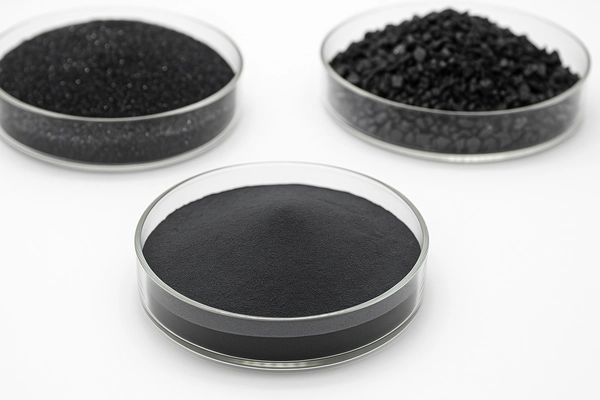
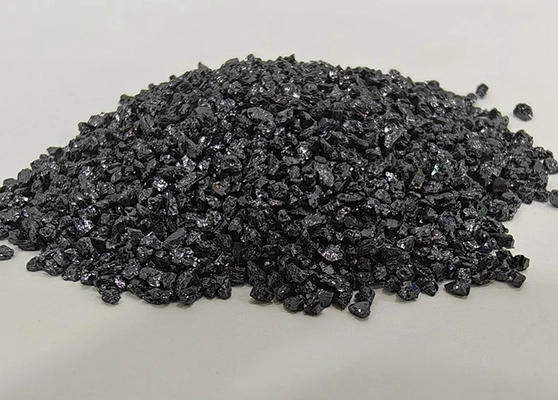
Silicon Carbide (SiC) is a versatile and robust material widely used in industrial applications. In the HVAC (Heating, Ventilation, and Air Conditioning) industry, SiC abrasives play a crucial role in enhancing system efficiency, improving equipment longevity, and optimizing performance. In this article, we explore how Silicon Carbide abrasives are used in HVAC systems, the advantages they offer, and why they are becoming a go-to material for HVAC professionals.
1. Introduction to Silicon Carbide (SiC) Abrasives
Silicon Carbide, a compound of silicon and carbon, is known for its hardness and heat resistance, making it a highly effective abrasive material. It ranks highly on the Mohs scale of mineral hardness and is used in a wide variety of applications, including cutting, grinding, and polishing. SiC’s unique properties make it particularly valuable in demanding industries like HVAC, where durability and performance are essential for system components such as compressors, fans, and heat exchangers.
2. Silicon Carbide Abrasives in HVAC System Maintenance
In HVAC systems, maintenance is key to ensuring long-lasting and efficient performance. Silicon Carbide abrasives are commonly used in the cleaning and maintenance of HVAC components, including heat exchangers, compressors, and pumps. These abrasives help to remove rust, corrosion, and other contaminants that can impair the function of critical system components. Additionally, SiC abrasives are used to polish and smooth surfaces, ensuring optimal heat transfer and reducing wear over time.
For example, when cleaning HVAC fans and ducts, Silicon Carbide abrasives can effectively remove built-up dirt and grime without damaging sensitive components. The hardness and sharpness of SiC make it ideal for these cleaning tasks, allowing for precise material removal while minimizing the risk of scratching or damaging the underlying metal.
3. Role in Enhancing Heat Exchange Efficiency
One of the most critical aspects of HVAC systems is the efficiency of heat exchange. Silicon Carbide abrasives are used to polish heat exchanger surfaces, reducing the surface roughness and ensuring better heat transfer. A smoother surface allows for more effective thermal conductivity, improving the overall efficiency of the system. By improving the heat exchange process, SiC abrasives help HVAC systems operate more efficiently, reducing energy consumption and extending the lifespan of the equipment.
Moreover, when used in cleaning and polishing heat exchangers, SiC abrasives ensure that the internal surfaces are free from deposits and buildup, which can otherwise hinder performance. This contributes to a more consistent temperature regulation, ensuring that HVAC systems maintain the desired environmental conditions with less energy expenditure.
4. Silicon Carbide Abrasives in HVAC Equipment Manufacturing
SiC abrasives also play a significant role in the manufacturing of HVAC equipment. During the production of components such as compressors, turbines, and fans, Silicon Carbide is used to smooth out rough edges, polish surfaces, and ensure the final product meets strict quality standards. By incorporating SiC abrasives in the manufacturing process, HVAC equipment manufacturers can improve the quality and performance of their products, ensuring better reliability and efficiency in the field.
Additionally, the use of SiC abrasives in the production of HVAC equipment helps to reduce defects and increases the overall durability of components. The ability to achieve a high level of precision during manufacturing also ensures that components fit together more seamlessly, resulting in less wear and tear during operation and reducing the likelihood of system failure.
5. Advantages of Silicon Carbide Abrasives in HVAC
There are several key advantages to using Silicon Carbide abrasives in HVAC applications:
- Durability: SiC abrasives are incredibly durable, meaning they last longer and require fewer replacements compared to other abrasive materials.
- Efficiency: SiC abrasives enhance the efficiency of HVAC systems by improving heat transfer and reducing energy consumption.
- Cost-effectiveness: Although SiC abrasives can be more expensive upfront, their long lifespan and ability to reduce system inefficiencies make them a cost-effective choice in the long run.
- Environmental impact: The use of SiC abrasives in HVAC systems helps reduce environmental impact by improving system efficiency and reducing energy consumption.
- Versatility: SiC abrasives can be used in various maintenance, cleaning, and manufacturing processes, making them highly versatile for HVAC applications.
6. Conclusion: The Growing Role of SiC Abrasives in HVAC
Silicon Carbide abrasives are an invaluable tool in the HVAC industry, contributing to the maintenance, efficiency, and manufacturing of HVAC systems. With their durability, efficiency, and ability to improve the performance of critical components, SiC abrasives are becoming an essential part of HVAC operations. Whether it’s enhancing heat exchange efficiency, improving the longevity of system components, or streamlining equipment manufacturing, Silicon Carbide abrasives are playing a pivotal role in shaping the future of HVAC technology.
As the demand for energy-efficient and sustainable HVAC systems continues to grow, the use of high-performance materials like Silicon Carbide will only become more prevalent, ensuring that HVAC professionals have the tools they need to meet the challenges of modern climate control systems.