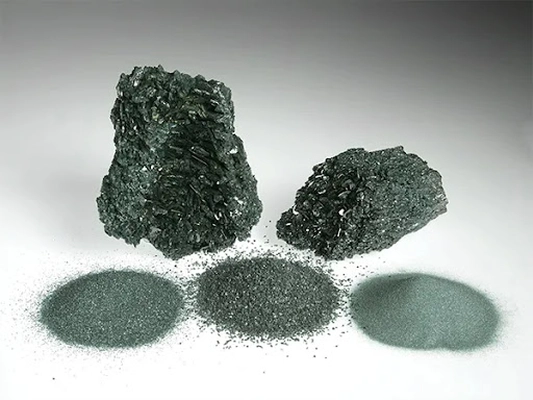
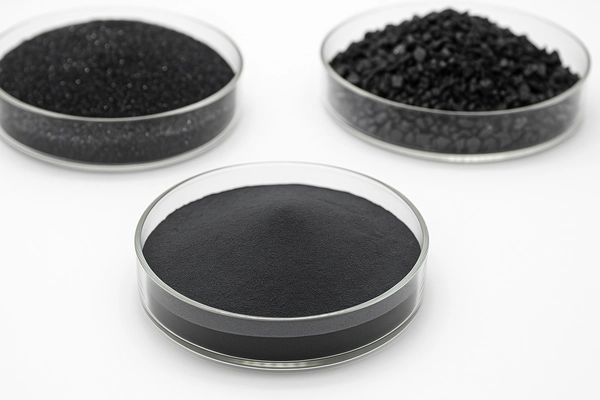
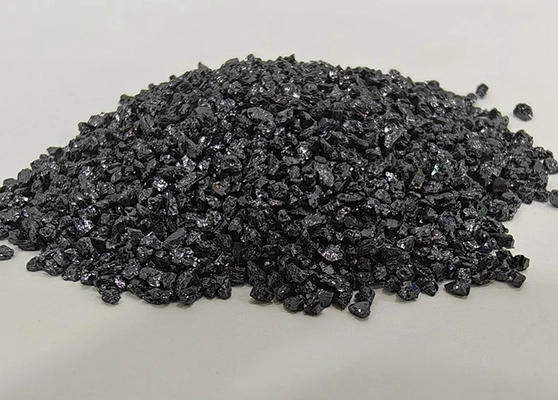
Silicon carbide sandpaper is one of the most widely used abrasives for sanding hard materials and producing fine surface finishes. Thanks to its exceptional hardness, sharp cutting edges, and waterproof properties, it is commonly used for finishing metal, glass, ceramics, stone, composites, plastics, and automotive paint.
Unlike aluminum oxide sandpaper, silicon carbide grains fracture into new sharp edges during use. This self-sharpening characteristic allows the abrasive to maintain consistent cutting performance, especially when working on hard, brittle, or non-ferrous materials.
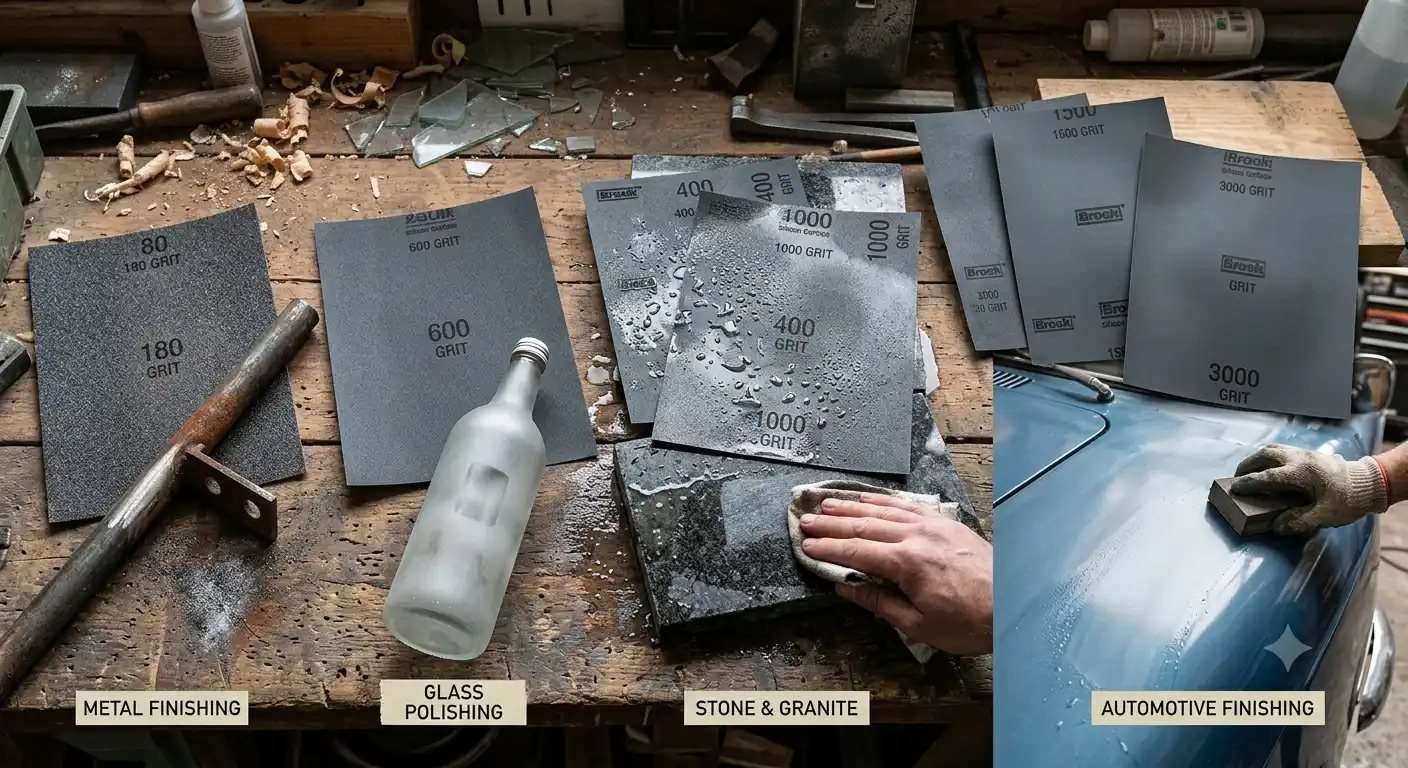
Whether you are removing paint before refinishing a vehicle, polishing granite countertops, smoothing fiberglass components, or preparing stainless steel for coating, silicon carbide sandpaper delivers fast stock removal and a uniform finish.
In this guide, we'll explain what silicon carbide sandpaper is used for, which materials it performs best on, how it compares with aluminum oxide abrasives, and how to choose the correct grit for your application.
What Is Silicon Carbide Sandpaper?
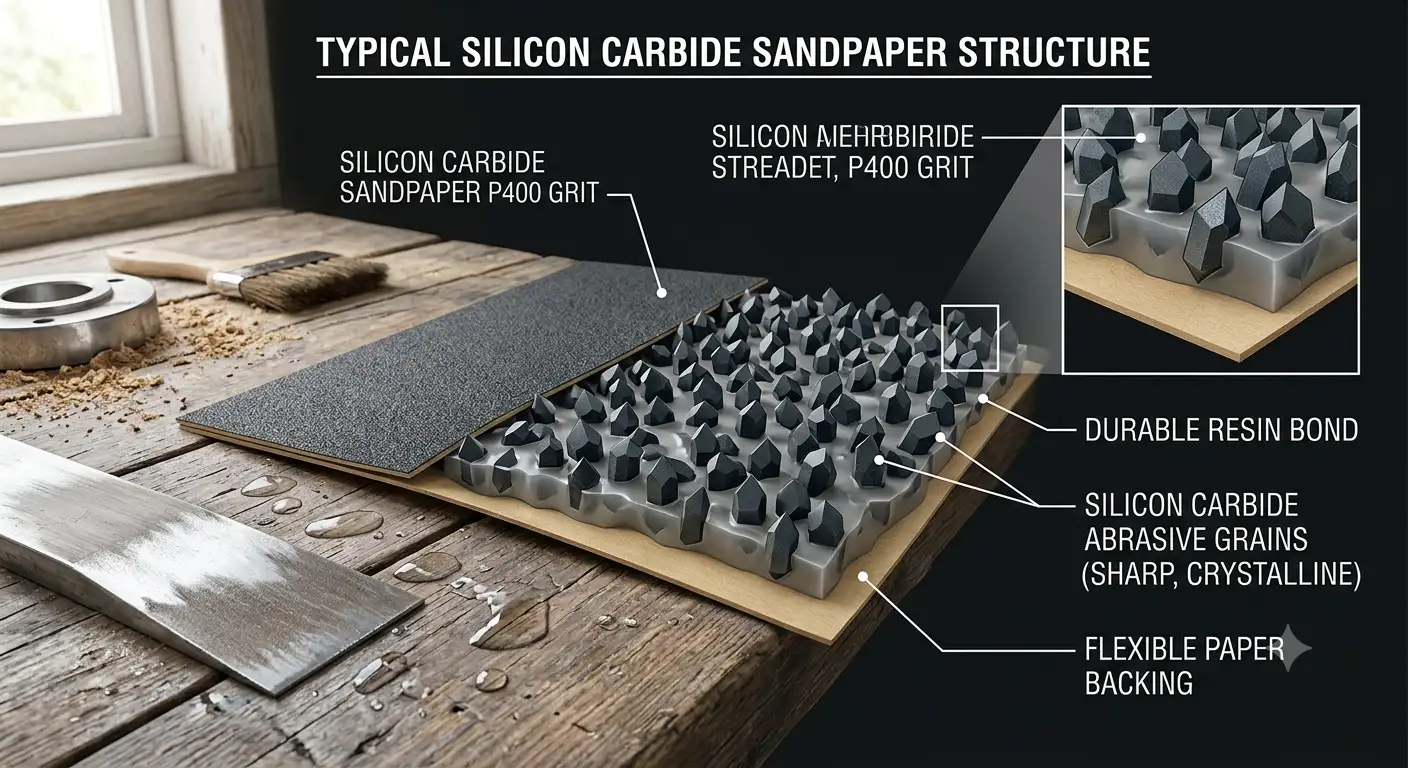
Silicon carbide sandpaper is a coated abrasive made by bonding sharp silicon carbide grains onto a paper or film backing using durable resin adhesives. The abrasive particles are produced from synthetic silicon carbide, an extremely hard ceramic material created by heating silica sand and petroleum coke in an electric resistance furnace at temperatures above 2,000°C.
With a Mohs hardness of approximately 9.2–9.5, silicon carbide is harder than aluminum oxide, making it particularly effective for cutting hard, brittle, or non-ferrous materials that require a clean and consistent finish.
Another key advantage is that silicon carbide abrasive grains continually fracture during sanding. Instead of becoming dull, the grains expose new sharp cutting edges, maintaining cutting efficiency throughout the sanding process. This characteristic is commonly referred to as self-sharpening.
Most silicon carbide sandpapers are manufactured with waterproof backings, allowing them to be used for both wet and dry sanding. Wet sanding reduces heat buildup, minimizes dust, and produces finer surface finishes, making silicon carbide the preferred abrasive for automotive refinishing and precision polishing.
Why Is Silicon Carbide Sandpaper Different from Other Sandpapers?
Although many abrasive materials are available, silicon carbide offers a unique combination of hardness, sharpness, and surface quality that makes it ideal for precision finishing.
| Property | Silicon Carbide | Aluminum Oxide |
|---|---|---|
| Hardness | ★★★★★ | ★★★★☆ |
| Cutting Speed | ★★★★★ | ★★★★☆ |
| Self-Sharpening | Excellent | Moderate |
| Wet Sanding | Excellent | Limited |
| Surface Finish | Very Fine | Fine |
| Best for Hard Materials | ★★★★★ | ★★★☆☆ |
| Best for Wood | ★★☆☆☆ | ★★★★★ |
Because silicon carbide particles remain extremely sharp throughout the sanding process, they generate less heat and produce more uniform scratch patterns than many conventional abrasives. This makes them particularly suitable for applications where surface quality is more important than maximum abrasive life.
Manufacturers frequently recommend silicon carbide sandpaper for glass, ceramics, composites, plastics, stainless steel, aluminum, marble, granite, and painted surfaces, while aluminum oxide is generally preferred for sanding hardwoods and heavy woodworking applications.
What Materials Can Silicon Carbide Sandpaper Be Used On?
One of the biggest advantages of silicon carbide sandpaper is its versatility. Its extremely sharp abrasive grains make it suitable for sanding hard, brittle, and non-ferrous materials that require fast cutting and a smooth surface finish. It is also widely used in wet sanding applications where heat reduction and scratch consistency are important.
Although silicon carbide can be used on many different surfaces, it does not perform equally well on every material. Understanding where it excels helps improve sanding efficiency, reduce abrasive consumption, and produce better finishing results.
| Material | Recommended | Typical Applications | Wet Sanding |
|---|---|---|---|
| Glass | ★★★★★ | Edge finishing, polishing | ✔ |
| Ceramic | ★★★★★ | Surface smoothing | ✔ |
| Granite | ★★★★★ | Polishing and finishing | ✔ |
| Marble | ★★★★★ | Surface restoration | ✔ |
| Stainless Steel | ★★★★☆ | Surface preparation | ✔ |
| Aluminum | ★★★★★ | Deburring and finishing | ✔ |
| Copper & Brass | ★★★★★ | Decorative finishing | ✔ |
| Fiberglass | ★★★★★ | Composite finishing | ✔ |
| Plastic | ★★★★☆ | Fine surface preparation | ✔ |
| Automotive Paint | ★★★★★ | Paint correction | ✔ |
| Hardwood | ★★☆☆☆ | Limited applications | ✖ |
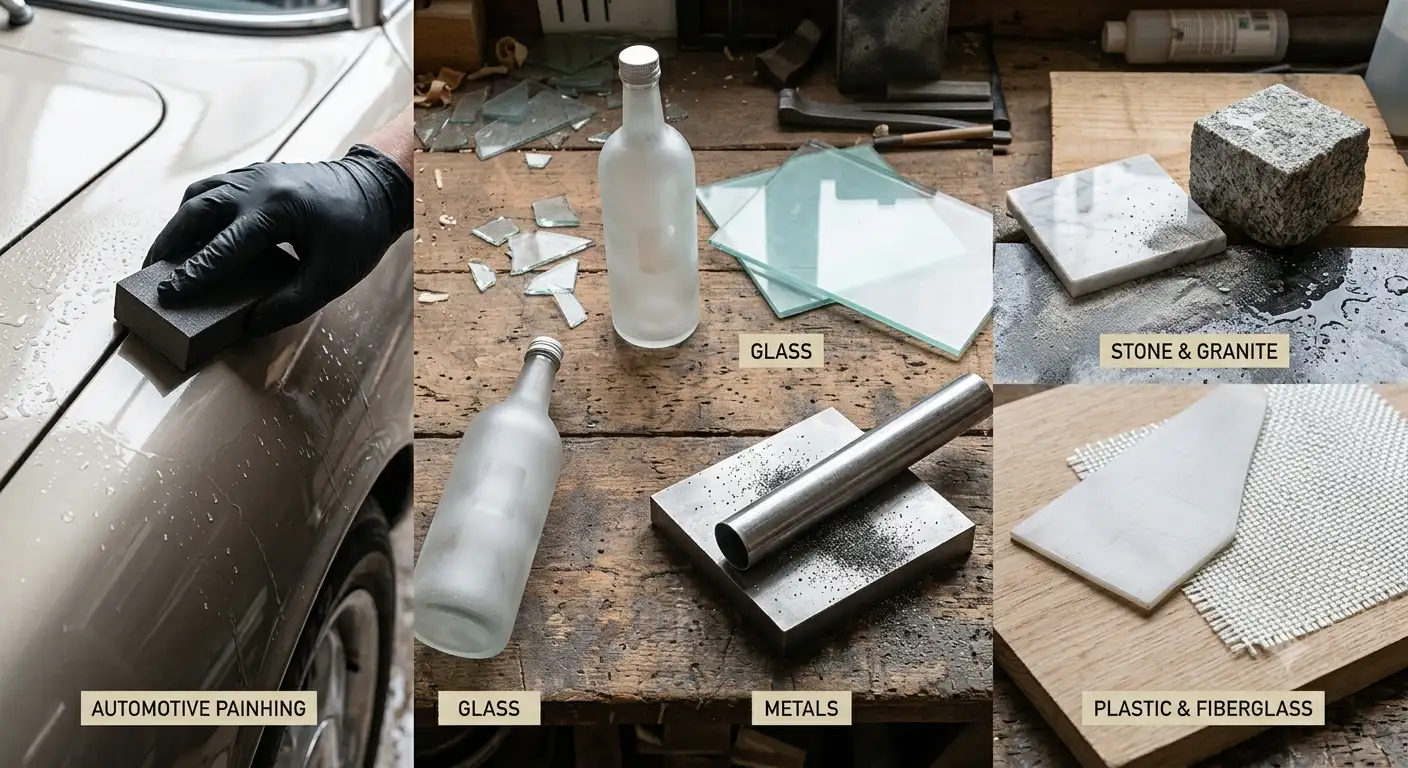
As shown above, silicon carbide performs best on hard materials and surfaces that require precision finishing. It is less suitable for prolonged sanding on hardwood because the abrasive grains fracture relatively quickly compared with aluminum oxide abrasives.
Glass
Glass is one of the most common materials processed with silicon carbide abrasives. Because glass is extremely hard and brittle, it requires an abrasive capable of producing clean cutting action without causing excessive edge chipping.
Silicon carbide sandpaper is frequently used for:
- Glass edge finishing
- Removing minor surface scratches
- Preparing glass before polishing
- Decorative glass fabrication
Water is typically used during sanding to reduce heat, flush away glass particles, and improve surface quality.
Ceramics, Marble, and Natural Stone
Stone fabrication shops and ceramic manufacturers rely heavily on silicon carbide abrasives because of their ability to cut hard mineral surfaces efficiently while producing smooth finishes.
Typical applications include:
- Granite countertop finishing
- Marble restoration
- Ceramic tile edge smoothing
- Artificial stone polishing
- Stone surface preparation before sealing
Using water during sanding helps reduce dust generation and extends abrasive life while minimizing thermal damage to the workpiece.
Metal Surface Finishing
Although aluminum oxide is often selected for heavy stock removal on steel, silicon carbide sandpaper is widely used for fine finishing, deburring, and preparing non-ferrous metals.
Common materials include:
- Aluminum
- Stainless steel
- Brass
- Copper
- Titanium alloys
Because silicon carbide leaves finer and more consistent scratch patterns, it is often chosen before polishing, anodizing, or coating processes.
Automotive Paint and Body Repair
One of the largest markets for waterproof silicon carbide sandpaper is automotive refinishing. Its sharp abrasive grains produce uniform scratch patterns that are easy to remove during polishing, making it ideal for paint preparation and defect correction.
Professional body shops commonly use silicon carbide sandpaper for:
- Primer sanding
- Clear coat leveling
- Orange peel removal
- Paint blending
- Final polishing preparation
Fine grit waterproof papers ranging from P800 to P3000 are commonly used with water to achieve smooth, high-quality paint finishes.
Fiberglass, Plastic, and Composite Materials
Composite materials require abrasives that cut cleanly without generating excessive heat. Silicon carbide's sharp cutting edges reduce smearing and produce consistent finishes on fiberglass, carbon fiber composites, engineering plastics, and resin-based materials.
Typical applications include boat manufacturing, aerospace components, automotive composite panels, and industrial plastic fabrication.
Common Industrial Applications of Silicon Carbide Sandpaper
Silicon carbide sandpaper is used across a wide range of industries where high cutting efficiency and excellent surface quality are required. Its sharp abrasive grains and consistent finishing performance make it suitable for precision manufacturing, maintenance, and repair operations.
Below are some of the most common industrial applications.
Automotive Refinishing
- Primer sanding
- Paint preparation
- Clear coat leveling
- Color sanding
- Scratch removal
Glass Processing
- Edge finishing
- Scratch removal
- Glass polishing preparation
- Decorative glass fabrication
Stone Fabrication
- Granite polishing
- Marble finishing
- Quartz countertop processing
- Artificial stone finishing
Metal Fabrication
- Deburring
- Surface preparation
- Fine finishing
- Pre-coating treatment
Composite Manufacturing
- Fiberglass finishing
- Carbon fiber sanding
- Plastic trimming
- Resin surface preparation
Electronics & Precision Components
- Ceramic component finishing
- Semiconductor fixtures
- Precision polishing
- Surface defect correction
Wet Sanding vs. Dry Sanding: Which Is Better?
One reason silicon carbide sandpaper is so popular is that it performs exceptionally well in wet sanding applications. Waterproof paper backings combined with sharp abrasive grains allow operators to produce smoother finishes while reducing heat buildup and airborne dust.
| Feature | Wet Sanding | Dry Sanding |
|---|---|---|
| Dust Generation | Very Low | High |
| Surface Finish | Excellent | Good |
| Heat Build-up | Minimal | Higher |
| Paper Loading | Less Frequent | More Frequent |
| Abrasive Life | Longer | Shorter |
| Typical Applications | Automotive, Glass, Stone | General Surface Preparation |
For applications requiring a premium surface finish—such as automotive paint correction or glass polishing—wet sanding is generally the preferred method. Water acts as a lubricant, helping remove debris while reducing friction and minimizing the risk of surface damage.
Silicon Carbide vs. Aluminum Oxide Sandpaper
Choosing between silicon carbide and aluminum oxide depends on the workpiece material, desired finish, and production process. While both are widely used abrasives, their performance characteristics are quite different.
| Comparison | Silicon Carbide | Aluminum Oxide |
|---|---|---|
| Hardness | ★★★★★ | ★★★★☆ |
| Sharpness | ★★★★★ | ★★★★☆ |
| Durability | ★★★★☆ | ★★★★★ |
| Self-Sharpening | Excellent | Good |
| Wet Sanding | Excellent | Limited |
| Glass | ★★★★★ | ★☆☆☆☆ |
| Stone | ★★★★★ | ★★☆☆☆ |
| Metal Finishing | ★★★★★ | ★★★★☆ |
| Woodworking | ★★☆☆☆ | ★★★★★ |
| Automotive Paint | ★★★★★ | ★★★☆☆ |
Silicon carbide is generally preferred for hard materials and precision finishing, while aluminum oxide is better suited for woodworking and applications requiring maximum abrasive life. Understanding these differences helps users select the most efficient abrasive for their specific process.
How to Choose the Right Grit
Selecting the correct grit size is just as important as choosing the right abrasive material. Coarse grits remove material quickly, while fine grits produce smoother finishes and prepare surfaces for polishing or coating.
| Grit Range | Typical Use | Application Examples |
|---|---|---|
| P40–P60 | Heavy material removal | Paint stripping, rust removal |
| P80–P120 | Surface leveling | Metal preparation, fiberglass |
| P150–P220 | General finishing | Plastic, aluminum, wood primer |
| P320–P600 | Fine finishing | Primer sanding, stainless steel finishing |
| P800–P1500 | Ultra-fine finishing | Automotive paint correction |
| P2000–P3000+ | Polishing preparation | Mirror finish, clear coat polishing |
For most industrial finishing operations, it is recommended to progress gradually through multiple grit sizes instead of jumping directly from coarse to fine abrasives. This approach removes scratches more efficiently and produces a more uniform final finish.
Common Mistakes When Using Silicon Carbide Sandpaper
Although silicon carbide sandpaper is highly effective, improper sanding techniques can reduce abrasive life, damage the workpiece, and increase production costs. Understanding these common mistakes helps operators achieve better finishing quality and improve overall efficiency.
| Mistake | Potential Problem | Recommended Solution |
|---|---|---|
| Using excessive pressure | Premature abrasive wear and deeper scratches | Allow the abrasive grains to cut naturally. |
| Skipping grit sizes | Visible sanding marks remain after finishing | Progress through multiple grit stages. |
| Dry sanding waterproof paper continuously | Heat buildup and paper loading | Use water whenever possible. |
| Using silicon carbide on soft wood | Short abrasive life | Consider aluminum oxide instead. |
| Ignoring clogged abrasives | Poor cutting performance | Clean or replace sandpaper regularly. |
Professional finishing shops typically use light, even sanding pressure while allowing the abrasive itself to perform the cutting action. Excessive force rarely improves productivity and often shortens abrasive life.
How to Extend the Life of Silicon Carbide Sandpaper
While silicon carbide is designed for fast cutting rather than maximum durability, proper operating practices can significantly extend its service life and reduce abrasive consumption.
- Use waterproof silicon carbide paper with water whenever practical.
- Apply consistent and moderate sanding pressure.
- Frequently rinse away sanding debris during wet sanding.
- Store abrasive sheets in a dry environment away from direct sunlight.
- Replace worn abrasives before they begin polishing instead of cutting.
- Match grit size to the stage of the finishing process.
Following these practices helps maintain consistent cutting performance while improving finish quality and reducing overall abrasive costs.
How Is Silicon Carbide Sandpaper Manufactured?
Understanding how silicon carbide sandpaper is manufactured helps explain why it performs differently from other coated abrasives.
- High-purity silica sand and petroleum coke are melted in an electric resistance furnace to produce synthetic silicon carbide.
- The silicon carbide is crushed, graded, and classified into precise grit sizes according to international standards.
- The abrasive grains are electrostatically coated onto paper or film backing to ensure the sharp cutting edges are properly oriented.
- High-strength resin adhesives permanently bond the abrasive grains to the backing.
- The coated material is cured under controlled temperature conditions to improve durability and moisture resistance.
- The finished abrasive rolls are converted into sheets, discs, belts, or custom industrial formats.
Modern manufacturing processes ensure uniform grit distribution, consistent cutting performance, and reliable product quality across different abrasive specifications.
How to Choose a Reliable Silicon Carbide Sandpaper Supplier
For industrial buyers, selecting the right supplier is just as important as choosing the correct abrasive. Product consistency, grit accuracy, coating quality, and production capacity all influence sanding performance and long-term purchasing costs.
When evaluating a manufacturer or supplier, consider the following factors:
- Stable raw material quality.
- Consistent grit grading.
- Compliance with FEPA or ANSI abrasive standards.
- Waterproof resin bonding technology.
- OEM and private label manufacturing capabilities.
- Flexible customization for grit, backing, size, and packaging.
- Reliable international export experience.
- Technical support for abrasive selection.
For distributors, OEM brands, and industrial manufacturers, working directly with an experienced abrasive manufacturer often provides better quality control, shorter lead times, and more competitive long-term pricing than purchasing through multiple trading intermediaries.
Frequently Asked Questions
Can silicon carbide sandpaper be used on wood?
Yes, but it is generally recommended only for final finishing or between-coat sanding. Aluminum oxide sandpaper is usually a better choice for heavy woodworking because it offers longer abrasive life.
Is silicon carbide sandpaper waterproof?
Most silicon carbide sandpapers are manufactured with waterproof paper or film backings, making them suitable for both wet and dry sanding applications.
Is silicon carbide better than aluminum oxide?
It depends on the application. Silicon carbide performs better on glass, ceramics, stone, composites, and automotive paint, while aluminum oxide is generally preferred for woodworking and heavy stock removal.
What grit should I use for automotive paint?
P800 to P1500 is commonly used for paint preparation, while P2000 to P3000 is typically selected before polishing clear coats.
Can silicon carbide sandpaper be used on stainless steel?
Yes. Silicon carbide is widely used for fine finishing, blending, and preparing stainless steel surfaces before polishing or coating.
Conclusion
Silicon carbide sandpaper is one of the most versatile coated abrasives available for industrial surface finishing. Its exceptional hardness, self-sharpening characteristics, and excellent wet sanding performance make it ideal for processing glass, ceramics, stone, stainless steel, aluminum, fiberglass, plastics, and automotive finishes.
Selecting the correct grit size, following proper sanding techniques, and choosing high-quality abrasives from a reliable manufacturer will help achieve better surface quality while improving productivity and reducing overall finishing costs.
If your business requires premium silicon carbide abrasive grains or customized abrasive solutions for industrial applications, working with an experienced manufacturer can help ensure consistent quality, dependable supply, and technical support tailored to your production requirements.