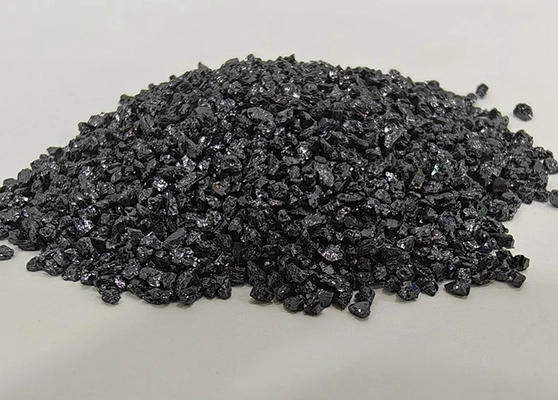
A refractory is a material that is capable of withstanding high temperatures without breaking down, deforming, or losing its structural integrity. Refractories are crucial for industries that operate under extreme temperature conditions, such as the manufacturing of steel, cement, glass, and ceramics. These materials are essential for ensuring the safety, efficiency, and durability of high-temperature processes, as well as for protecting industrial equipment from the intense heat generated during production.
Types of Refractories
Refractories are typically classified based on their chemical composition, physical properties, and intended use. The main categories of refractories include:
1. Acidic Refractories
Acidic refractories are made from materials like silica (SiO2) and have a high resistance to acidic slags. These refractories are primarily used in applications that involve the processing of non-ferrous metals, such as lead, copper, and zinc.
Example materials: **silica bricks** and **silica-alumina refractories**.
2. Basic Refractories
Basic refractories are made from materials like magnesium (MgO) and have excellent resistance to basic slags. These materials are essential in industries like steelmaking, where molten metal needs to be contained and protected from erosion and wear.
Example materials: **magnesia bricks**, **dolomite bricks**, and **basic oxygen furnace linings**.
3. Neutral Refractories
Neutral refractories are made from materials that are chemically neutral, which means they are resistant to both acidic and basic slags. These refractories are commonly used in the production of steel and in furnaces where both types of slag are present.
Example materials: **chromium oxide** and **carbon refractories**.
4. Special Refractories
Special refractories are designed for specific high-performance applications. They include advanced ceramic materials and composites that provide exceptional thermal stability, corrosion resistance, and mechanical strength. These are used in specialized industries such as aerospace, semiconductor manufacturing, and nuclear reactors.
Example materials: **zirconia refractories**, **silicon carbide refractories**.
Key Properties of Refractories
Refractories must possess certain properties to withstand extreme temperatures and harsh operating conditions. The key characteristics include:
1. High Melting Points
The primary function of refractories is to withstand high temperatures without melting or losing their structural integrity. These materials must have melting points well above the operating temperatures of the industrial processes they are used in.
For example, silica refractories typically have a melting point above **1,700°C**, while magnesium-based refractories can withstand temperatures exceeding **2,800°C**.
2. Thermal Shock Resistance
Refractories are often exposed to rapid temperature changes, which can cause cracking or thermal shock. To avoid this, they must be able to absorb and dissipate thermal stresses without cracking. Materials like silicon carbide and carbon-based refractories are known for their excellent thermal shock resistance.
3. Chemical Resistance
Refractories must resist the chemical attack from slags, molten metals, and gases in the industrial process. For example, acidic refractories are highly resistant to acidic slags, while basic refractories are resistant to basic slags.
Magnesia-based refractories are often used in steel furnaces due to their high resistance to the basic slags encountered during steel production.
4. Mechanical Strength
Refractories must have sufficient strength to withstand the mechanical stresses that occur during use. This is particularly important in applications like blast furnaces and cement kilns, where the refractory linings must endure both high temperatures and the mechanical load of the materials inside the furnace.
5. Durability
Refractories should be durable and capable of lasting through extended periods of use without significant degradation. High-quality refractories have the ability to retain their strength and structure even after being exposed to extreme temperatures over time.
Applications of Refractories
Refractories are widely used in various industries where high temperatures are involved. Some of the key applications include:
1. Steel Production
In the steel industry, refractories are used in furnaces, ladles, and other equipment to contain molten steel and protect the furnace linings from erosion and corrosion. Refractories like magnesia bricks and dolomite bricks are commonly used in blast furnaces and electric arc furnaces.
Example: **Magnesia-carbon refractories** are used in the linings of steel-making furnaces due to their excellent thermal stability and resistance to basic slags.
2. Cement Manufacturing
Refractories are critical to the cement industry, where they are used in kilns and other high-temperature areas. These materials help maintain the temperature control required for the chemical processes involved in cement production.
Example: **Alumina-silica refractories** are used in cement kilns due to their excellent resistance to thermal cycling and high temperatures.
3. Glass Production
Refractories are used in glass melting furnaces, where temperatures can exceed **1,500°C**. The refractories help contain molten glass and prevent contamination of the product. High-purity alumina and zirconia refractories are commonly used in these applications.
4. Petrochemical Industry
Refractories are used in reactors, distillation columns, and other equipment in the petrochemical industry. These materials must resist both high temperatures and the corrosive nature of certain chemicals, such as acids and hydrocarbons.
5. Aerospace and Nuclear Applications
In the aerospace and nuclear industries, refractories are used for components that must withstand extreme heat and radiation. Materials like zirconia refractories and carbon composites are used for heat shields, reactors, and other critical components.
Market Demand and Trends
The global demand for refractories is growing due to the increasing industrialization of emerging markets, particularly in Asia. According to a report by **Market Research Future**, the global refractory market is expected to grow at a compound annual growth rate (CAGR) of **5.5%** from 2021 to 2028.
Several trends are influencing the demand for refractories, including:
- Sustainability: Increasing emphasis on eco-friendly manufacturing processes is driving the demand for more durable and energy-efficient refractories.
- Technological Advancements: Innovations in refractory materials, such as **advanced ceramics** and **composite materials**, are improving performance in high-temperature environments.
- Energy-Efficient Materials: As industries seek to reduce energy consumption, the demand for refractories with better thermal insulation and energy efficiency is growing.
Conclusion
Refractories are essential materials for industries that operate under extreme temperature conditions. Their ability to withstand high heat, thermal shock, and chemical corrosion makes them indispensable in sectors such as steel production, cement manufacturing, glass production, and petrochemical industries.
As industrial processes continue to evolve, the demand for high-performance refractories will only increase. Choosing the right refractory material for your specific application is critical for ensuring the efficiency, safety, and longevity of your equipment.
Request a Quote or Sample
Popular Products
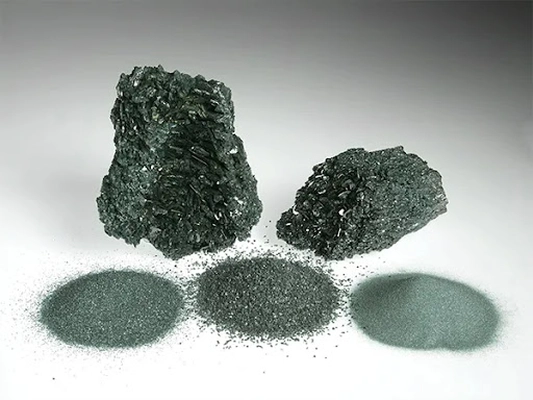
Grünes Siliziumkarbid
View Details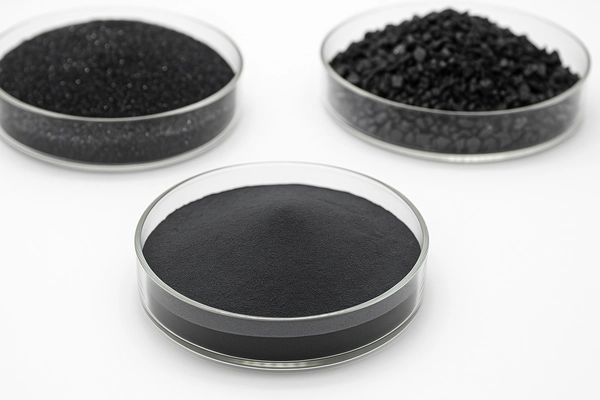
Schwarzes Siliziumkarbid
View Details