Quick Answer: Specialty abrasives should be used in metal work when standard abrasives cannot meet requirements for precision, surface finish, heat control, tool life, or material compatibility. They are especially valuable for hard alloys, heat-sensitive metals, complex geometries, high-end finishing, and automated or high-efficiency industrial processes.
1. What Are Specialty Abrasives?
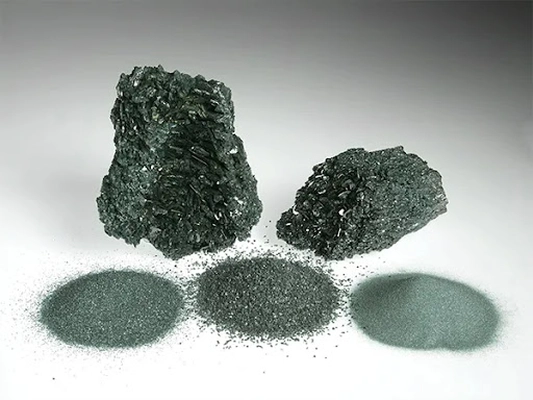
Specialty abrasives are engineered abrasive materials designed to handle metalworking tasks that exceed the capabilities of conventional abrasives. Unlike standard aluminum oxide or basic silicon carbide products, specialty abrasives are optimized for specific performance targets such as extreme hardness, controlled friability, thermal resistance, precision finishing, or extended service life.
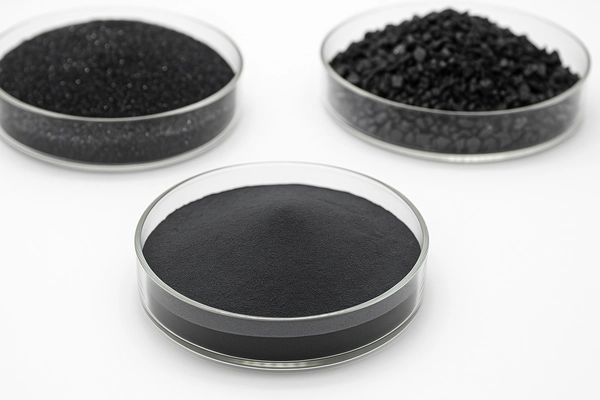
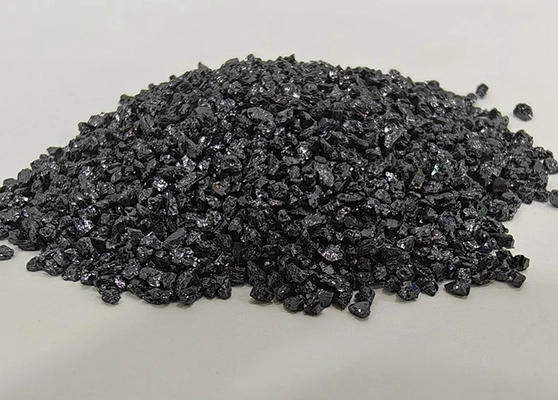
These abrasives are commonly used in advanced manufacturing environments where consistency, efficiency, and surface integrity are critical. Examples include high-performance ceramic abrasives, microcrystalline alumina, zirconia-based abrasives, engineered abrasive blends, and ultra-fine precision powders.
In metal work, specialty abrasives are not chosen simply for cutting ability, but for how they interact with the workpiece material, grinding forces, heat generation, and final surface requirements.
2. Limitations of Standard Abrasives in Metal Work
Standard abrasives such as brown fused alumina or basic aluminum oxide perform well in general-purpose grinding and finishing. However, they show clear limitations when metalworking conditions become more demanding.
Common limitations include:
- Rapid abrasive dulling on hard or alloyed metals
- Excessive heat generation leading to workpiece burn
- Inconsistent surface finish on precision parts
- High wheel wear and frequent tool replacement
- Metal loading and clogging during grinding or sanding
When these issues begin to impact productivity, part quality, or process stability, it becomes necessary to evaluate specialty abrasives as a solution rather than increasing pressure, speed, or consumable usage.
3. Key Scenarios Where Specialty Abrasives Are Required
3.1 Machining Hard or Heat-Treated Metals
Hardened steels, tool steels, and heat-treated components place extreme stress on abrasives. Standard abrasives tend to fracture unpredictably or glaze over, reducing cutting efficiency.
Specialty abrasives with controlled microfracture behavior maintain sharp cutting edges, allowing consistent material removal while minimizing heat buildup.
3.2 Precision Grinding and Tight Tolerance Work
In applications such as bearing races, shafts, gears, and hydraulic components, dimensional accuracy and surface consistency are non-negotiable.
Specialty abrasives offer:
- Uniform grain structure
- Predictable wear patterns
- Reduced vibration during grinding
These characteristics make them essential for maintaining tight tolerances over long production runs.
3.3 Heat-Sensitive Metal Components
Thin-walled parts, stainless steel, and certain alloys are highly sensitive to thermal damage. Excessive heat can cause discoloration, microcracking, residual stress, or metallurgical changes.
Specialty abrasives designed for cool cutting reduce friction and distribute heat more evenly, protecting surface integrity and preventing rework or scrap.
3.4 High-Speed or Automated Grinding Lines
In automated production environments, abrasive consistency is critical. Variations in cutting performance can disrupt process control, tool life prediction, and quality outcomes.
Specialty abrasives provide stable cutting behavior that aligns with automated feed rates, robotic grinding systems, and CNC-controlled processes.
4. Specialty Abrasives by Metal Type
4.1 Carbon and Alloy Steels
For carbon steel and alloy steel applications, specialty alumina-based abrasives with enhanced toughness and friability outperform standard options, especially in heavy stock removal and surface conditioning.
4.2 Stainless Steel
Stainless steel tends to work-harden and generate heat quickly. Specialty abrasives reduce metal loading and maintain cutting efficiency, preventing glazing and surface burns.
4.3 Aluminum and Non-Ferrous Metals
Aluminum and soft alloys require abrasives that resist clogging. Specialty abrasives with anti-loading properties or tailored grain shapes allow smoother finishes and longer tool life.
4.4 Exotic Alloys and Aerospace Metals
Nickel-based alloys, titanium, and aerospace-grade materials demand abrasives that can withstand high temperatures and maintain edge sharpness under extreme conditions.
In these cases, specialty abrasives are not optional—they are necessary to achieve acceptable productivity and part quality.
5. Performance Advantages of Specialty Abrasives
The decision to use specialty abrasives is driven by measurable performance improvements, including:
- Higher material removal rates
- Lower grinding forces
- Reduced heat generation
- Longer abrasive life
- More consistent surface finishes
These advantages translate into reduced downtime, fewer consumable changes, improved throughput, and higher overall process efficiency.
6. Cost vs Value: Are Specialty Abrasives Worth It?
Specialty abrasives typically have a higher unit cost than standard abrasives. However, evaluating abrasives solely on purchase price often leads to misleading conclusions.
When total cost of ownership is considered—including tool life, labor time, scrap reduction, and machine utilization—specialty abrasives often deliver a lower cost per finished part.
In high-volume or high-precision metal work, the value gained from process stability and reduced defects far outweighs the initial material cost.
7. How to Choose the Right Specialty Abrasive
Selecting the right specialty abrasive requires a systematic approach:
- Identify the base metal and its hardness
- Define the operation (grinding, sanding, polishing, cutting)
- Determine surface finish requirements
- Evaluate heat sensitivity and tolerance limits
- Consider machine type and operating parameters
Working with abrasive specialists or conducting controlled trials is often the most effective way to optimize abrasive selection for complex metalworking applications.
8. Common Mistakes in Abrasive Selection
Even experienced metalworkers can fall into common abrasive selection traps:
- Using general-purpose abrasives for specialized materials
- Increasing pressure instead of upgrading abrasive quality
- Ignoring heat damage until parts fail inspection
- Choosing abrasives based solely on price
Recognizing these mistakes early helps prevent long-term productivity losses and quality issues.
9. FAQ
Q1: Are specialty abrasives only for large factories?
No. While commonly used in industrial environments, specialty abrasives are equally valuable for small workshops handling difficult metals or precision work.
Q2: Can specialty abrasives replace all standard abrasives?
Not necessarily. Standard abrasives remain suitable for basic operations. Specialty abrasives are best reserved for tasks where performance, quality, or efficiency limitations arise.
Q3: Do specialty abrasives require different machines?
In most cases, no. They are designed to work with standard grinding and finishing equipment, though process parameters may need adjustment to achieve optimal results.