Quick Answer
Carborundum abrasives, also known as silicon carbide abrasives, are widely used in manufacturing, polishing, cutting, and surface preparation. These abrasives are known for their hardness, durability, and versatility, making them an essential component in various industrial processes.
Table of Contents
Introduction to Carborundum Abrasives
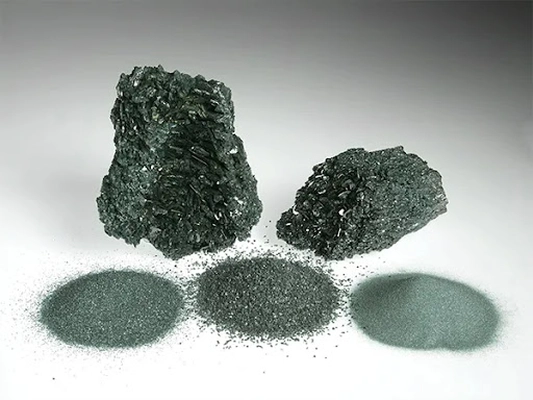
Carborundum abrasives are made from silicon carbide (SiC), a compound that is harder than most metals and even some diamonds. They are widely used in a variety of industries for their ability to efficiently cut, grind, and polish surfaces. Known for their hardness and sharpness, Carborundum abrasives are commonly used for tasks such as sanding, polishing, and surface finishing.
Carborundum abrasives were first developed in the late 19th century and have since evolved into an essential tool for industrial applications. Whether you're working with metals, ceramics, or glass, these abrasives are crucial in achieving smooth and precise finishes.
Types of Carborundum Abrasives
There are various forms of Carborundum abrasives, each suited for specific tasks:
- Carborundum Grinding Wheels: Used for precision grinding and polishing applications. These wheels are available in different grades to cater to various hardness levels of the materials being worked on.
- Carborundum Sandpaper: Available in different grits, this type of abrasive is commonly used for polishing and sanding tasks on wood, metal, and plastic.
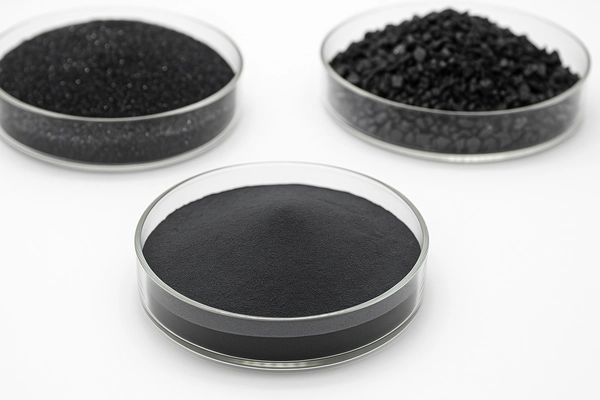
- Carborundum Powder: Used in polishing and abrasive blasting applications, Carborundum powder is available in various grades to suit different surface preparation needs.
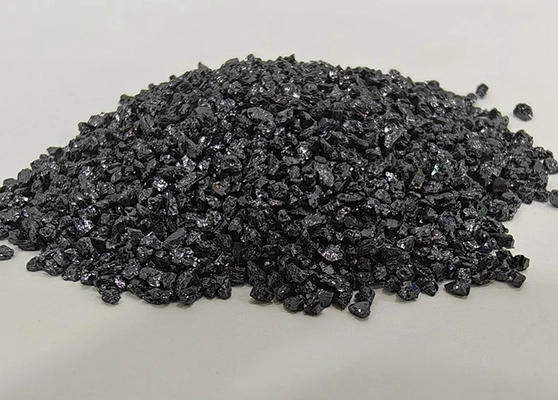
- Carborundum Blasting Media: Used in sandblasting applications, this form of abrasive is known for its ability to remove tough coatings and prepare surfaces for further treatment.
Common Applications of Carborundum Abrasives
Carborundum abrasives are used in numerous industries, thanks to their wide range of applications:
- Manufacturing: Used in metalworking for cutting, grinding, and polishing metal parts.
- Automotive: Carborundum abrasives are used for surface finishing and polishing car components.
- Construction: In the construction industry, Carborundum abrasives are utilized for cutting and grinding concrete and stone.
- Aerospace: The aerospace industry uses Carborundum abrasives for fine finishing and polishing high-precision parts.
- Jewelry Making: Carborundum abrasives help to achieve fine finishes on metal jewelry pieces.
Benefits of Using Carborundum Abrasives
- High Hardness: Silicon carbide, the main component of Carborundum abrasives, is extremely hard, making it perfect for cutting and grinding hard materials.
- Durability: These abrasives are long-lasting and maintain their effectiveness over time, reducing the need for frequent replacements.
- Versatility: Carborundum abrasives can be used on a wide range of materials, including metals, ceramics, glass, and stone.
- Efficient Performance: Carborundum abrasives work quickly and efficiently, helping to reduce production time and improve overall output quality.
Choosing the Right Carborundum Abrasive for Your Needs
When selecting Carborundum abrasives, it's essential to consider factors such as the type of material you're working with, the desired finish, and the level of precision required. For instance, if you're working with hard metals, you may need a coarser abrasive, while finer abrasives are ideal for polishing and achieving smooth finishes.
Additionally, consider the grade and grit of the abrasive. Finer grits are better for polishing and smooth finishing, while coarser grits are suited for heavy-duty grinding and surface preparation.
Conclusion
Carborundum abrasives play a crucial role in a wide variety of industrial applications, offering unmatched hardness, versatility, and efficiency. Whether you're involved in metalworking, construction, or polishing delicate items, Carborundum abrasives provide the performance and durability required to complete tasks effectively.
By understanding the different types of Carborundum abrasives and their applications, you can make an informed decision about which abrasive is best suited for your needs, ensuring optimal results every time.