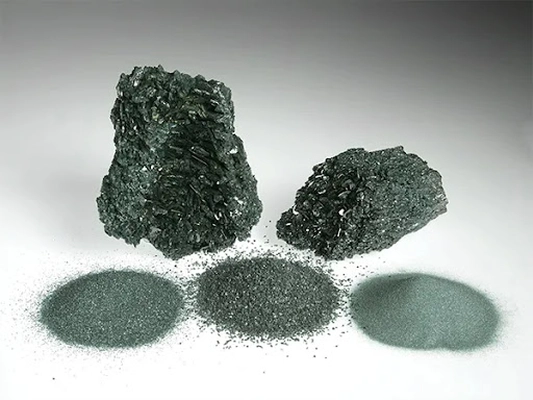
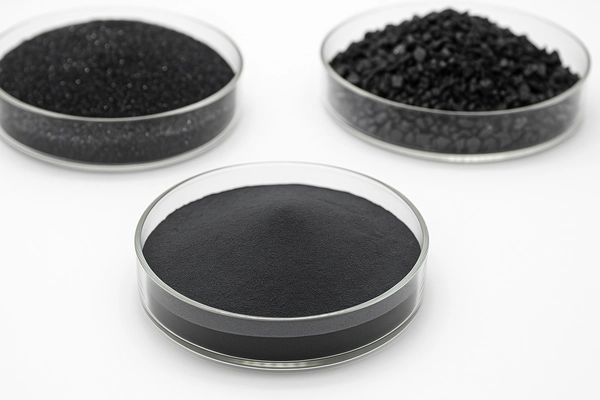
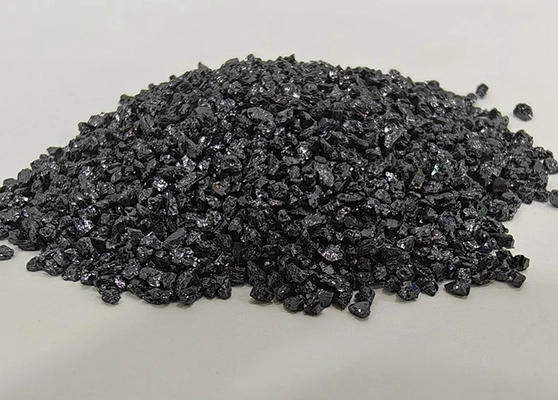
Quick Answer: Sandblasting and surface preparation require abrasives that are not only hard and durable but also capable of efficiently removing contaminants like rust, grease, and dirt. Silicon carbide is one of the best abrasives for sandblasting due to its hardness, sharpness, and wear resistance. In this article, we will explore the best abrasives for sandblasting and surface cleaning, focusing on the advantages of silicon carbide and other materials.
What is Sandblasting?
Sandblasting, also known as abrasive blasting, is a surface preparation process used to clean, smooth, or etch materials by using a high-speed stream of abrasive particles, typically propelled by compressed air or water. The process is highly effective for removing contaminants such as rust, grease, paint, and dirt from surfaces like metal, stone, and glass. Selecting the right abrasive material is crucial to achieving optimal results in sandblasting and surface treatment.
Best Abrasives for Sandblasting and Surface Preparation
When it comes to sandblasting and surface preparation, the abrasives used must be strong, durable, and capable of effectively removing contaminants. There are various types of abrasives, but some stand out due to their performance in specific applications. Let’s explore the best abrasives for sandblasting and surface preparation:
1. Silicon Carbide (SiC) Abrasives
Silicon carbide is one of the hardest known materials, making it an excellent choice for abrasive blasting applications. It has a hardness of 9.5 on the Mohs scale, just below diamond, which makes it highly effective for surface preparation tasks that require high abrasion resistance.
Advantages: Silicon carbide is sharp, durable, and has excellent wear resistance. It is ideal for aggressive surface cleaning and can remove even tough contaminants like rust, old paint, and oil grease from metal surfaces.
Applications: Silicon carbide abrasives are commonly used in industrial sandblasting for cleaning metal parts, removing coatings, and prepping surfaces for painting. They are also effective in abrasive blasting on glass and stone surfaces.
2. Aluminum Oxide Abrasives
Aluminum oxide is another commonly used abrasive for sandblasting and surface preparation. It is slightly softer than silicon carbide but still provides excellent abrasive properties for a variety of applications.
Advantages: Aluminum oxide abrasives are economical, durable, and suitable for medium-duty blasting tasks. They are ideal for removing rust and cleaning metal surfaces, especially for applications that don't require the extreme abrasiveness of silicon carbide.
Applications: Aluminum oxide is used in general-purpose sandblasting, particularly for cleaning metal surfaces, rust removal, and etching on glass and stone materials.
3. Garnet Abrasives
Garnet is a natural abrasive material that is commonly used in sandblasting due to its effective cutting action and minimal dust generation. It is a softer abrasive compared to silicon carbide and aluminum oxide, making it ideal for lighter cleaning tasks.
Advantages: Garnet is less abrasive than other materials, but it is effective for applications where minimal surface damage is needed. It produces less dust and is a more environmentally friendly option for sandblasting.
Applications: Garnet abrasives are ideal for use in industries like shipbuilding, automotive, and construction, where cleaning surfaces without excessive wear is crucial.
4. Steel Grit Abrasives
Steel grit is another abrasive material used for sandblasting. It is made from high-carbon steel and is used in applications requiring durability and high impact strength.
Advantages: Steel grit is particularly effective for cleaning and preparing rougher surfaces, such as steel parts. It provides a consistent blasting action and is reusable, which makes it cost-effective over time.
Applications: Steel grit is commonly used in metal preparation for welding, shot peening, and cleaning steel parts in automotive and aerospace industries.
Why Silicon Carbide is Ideal for Sandblasting
Silicon carbide is often the top choice for sandblasting applications due to its exceptional hardness, sharpness, and wear resistance. These properties make it particularly effective in aggressive cleaning and surface preparation tasks. Whether removing rust from steel parts or cleaning glass surfaces, silicon carbide provides consistent performance and fast results.
- Hardness: With a hardness rating just below diamond, silicon carbide abrasives are incredibly effective in removing tough contaminants.
- Durability: Silicon carbide’s resistance to wear means it lasts longer during blasting operations, leading to reduced costs over time.
- Efficiency: Silicon carbide abrasives work quickly to remove coatings, dirt, and rust, improving operational efficiency in industrial environments.
Applications of Abrasives for Cleaning
Different abrasives are used for cleaning and surface preparation in various industries. Here are some common applications:
1. Industrial Cleaning
Abrasives like silicon carbide and aluminum oxide are widely used in industrial sandblasting for cleaning metal, removing rust, and preparing surfaces for coating or painting.
2. Automotive Industry
In the automotive industry, abrasives are used to clean parts, remove old paint, and prepare surfaces for welding or coating applications.
3. Construction and Shipbuilding
Sandblasting with abrasives like garnet and aluminum oxide is commonly used in construction and shipbuilding to clean surfaces, remove contaminants, and prepare metal and stone surfaces for further processing.
FAQs
What is the best abrasive for rust removal?
Silicon carbide is the best abrasive for rust removal due to its hardness and sharpness. It can quickly remove rust from metal surfaces, leaving a clean surface for painting or coating.
Can I use silicon carbide for glass etching?
Yes, silicon carbide is commonly used for etching glass due to its sharpness and ability to produce fine patterns on the surface of glass materials.
Is garnet abrasive better than aluminum oxide for sandblasting?
Garnet is less aggressive than aluminum oxide, making it ideal for applications where minimal surface damage is required. It is also more environmentally friendly, producing less dust.
References
- ASM Handbook – Abrasive Materials and Applications
- FEPA standards for abrasive materials
- Environmental Impact of Abrasive Materials in Sandblasting