Quick Answer: Choosing the right abrasive is essential for achieving the best results in grinding and polishing. The selection depends on factors like the abrasive material type, grit size, hardness, and the specific application. This article will guide you through the process of selecting abrasives for various tasks, helping you make informed decisions for optimal performance.
What Are Abrasives?
Abrasives are materials used to wear away or smooth the surface of other materials through friction. They are crucial in various industries, particularly for processes like grinding, cutting, polishing, and surface preparation. Abrasives are available in many types, including natural and synthetic, and each type has its specific use based on material hardness, grit size, and application.
Choosing the right abrasive for your task is vital for achieving the desired finish, whether you are grinding metal, polishing glass, or preparing surfaces for coating. Factors such as the abrasive material, grit size, and hardness will affect the efficiency and outcome of your work.
Factors to Consider When Choosing Abrasives
Selecting the right abrasive material involves several key considerations. Here are the most important factors you need to evaluate:
1. Abrasive Material Type
The type of abrasive material you choose should be based on the material you're working with and the type of work you need to perform. Some common abrasive materials include:
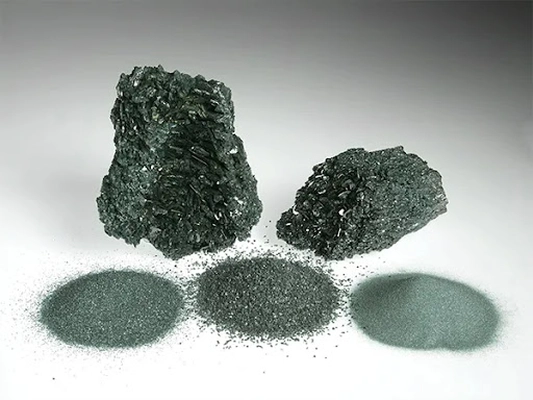
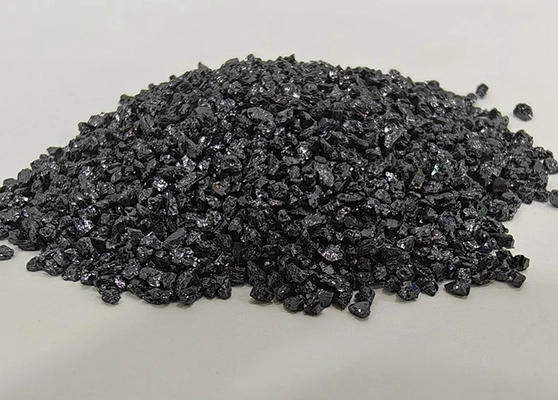
- Silicon Carbide: Ideal for fine grinding and polishing of hard materials such as ceramics, glass, and stone.
- Aluminum Oxide: Suitable for general-purpose grinding and cutting applications, especially with metals like steel and aluminum.
- Garnet: A softer abrasive used in lighter polishing tasks, especially for wood and soft metals.
- Diamond: The hardest abrasive, best for cutting and grinding extremely hard materials like glass, ceramics, and high-speed steel.
2. Grit Size
Grit size is one of the most important factors in abrasive selection. The grit size determines how fine or coarse the abrasive particles are. Choosing the right grit size depends on the desired finish and the material you're working with:
- Coarse Grit (24-60): Used for heavy grinding, surface preparation, and material removal. Ideal for rough surfaces and removing large amounts of material.
- Medium Grit (80-120): Suitable for smoothing rough surfaces and blending finishes. Used in most general-purpose grinding and polishing tasks.
- Fine Grit (150-600): Used for achieving a smooth, polished surface and for finishing work. Commonly used in polishing metal, stone, and glass.
- Super Fine Grit (800 and above): Used for ultra-smooth finishes and polishing high-precision surfaces, such as in automotive and jewelry applications.
3. Abrasive Hardness
The hardness of the abrasive material is another key factor to consider. Harder abrasives are more effective at grinding harder materials, but they can also be more brittle. Softer abrasives tend to wear out faster but are better suited for delicate or softer materials.
- Harder abrasives: Ideal for tough materials like metal and concrete.
- Softer abrasives: Better for polishing or finer finishing tasks, especially on delicate materials.
4. Application Type
Different tasks require different types of abrasives. For example, abrasive materials used in sandblasting differ from those used in polishing. Consider the following application categories:
- Grinding: Coarser abrasives like aluminum oxide are used for grinding metals and hard surfaces.
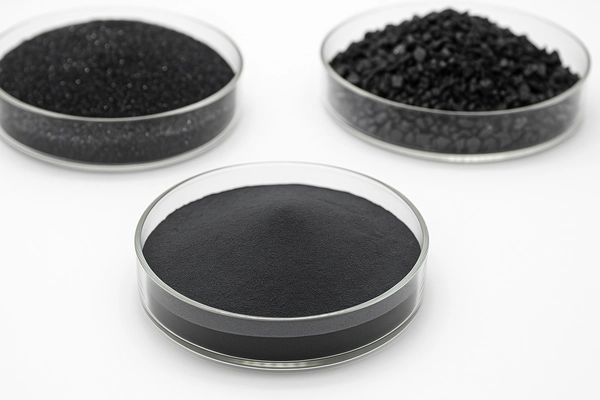
- Polishing: Finer abrasives like silicon carbide powder are ideal for polishing metal, glass, and stone.
- Cutting: Diamond abrasives are often used for cutting extremely hard materials like glass or ceramic tiles.
- Surface Preparation: Coarse abrasives like garnet and aluminum oxide are used in sandblasting for removing coatings, rust, and dirt from surfaces.
Grinding and Polishing Abrasive Selection
When selecting abrasives for grinding and polishing, it's important to match the abrasive material and grit size to the specific requirements of your project. For example:
1. Grinding Applications
For grinding applications, particularly when removing large amounts of material, a coarse grit size is recommended. Silicon carbide or aluminum oxide abrasives work well for general-purpose grinding of metals, ceramics, and concrete.
2. Polishing Applications
For polishing applications, a finer grit is essential. Silicon carbide powder is commonly used for achieving a smooth, high-quality finish on metals, ceramics, and stones. Additionally, diamond abrasives are used for ultra-fine polishing of precious metals and high-end materials like glass and optical lenses.
Applications of Different Abrasives
Depending on the application, different abrasives are more suited to specific tasks. Here are some examples of common abrasive applications:
1. Metalworking
In metalworking, abrasives like aluminum oxide and silicon carbide are used for cutting, grinding, and polishing metal surfaces. These abrasives help to achieve precise cuts and smooth finishes.
2. Woodworking
In woodworking, abrasives like garnet and aluminum oxide are used for sanding wood to remove rough spots, smooth surfaces, and prepare surfaces for finishing.
3. Ceramic and Stone Polishing
Silicon carbide and diamond abrasives are commonly used in the ceramic and stone industries for polishing tiles, countertops, and sculptures to achieve a high-gloss finish.
4. Automotive Industry
Abrasives are widely used in the automotive industry for tasks such as grinding metal parts, polishing car bodies, and finishing engine components.
FAQs
How do I choose the right grit size for my grinding task?
The grit size depends on the type of material you're working with. For heavy material removal, use coarser grits (24-60). For finishing work, use finer grits (150-600) to achieve a smoother surface.
What is the difference between silicon carbide and aluminum oxide abrasives?
Silicon carbide abrasives are harder and sharper, making them ideal for fine grinding and polishing of hard materials like ceramics and glass. Aluminum oxide abrasives are tougher and more durable, making them better suited for general grinding applications on metals and wood.
Can I use the same abrasive for grinding and polishing?
No, different abrasives are designed for different tasks. For grinding, coarser abrasives like aluminum oxide are used, while for polishing, finer abrasives like silicon carbide powder or diamond abrasives are preferred for a smooth finish.
References
- ASM Handbook – Abrasive Materials and Applications
- FEPA standards for abrasive materials and grit sizes
- Journal of Materials Science on Abrasive Technologies