Summary:
Silicon Carbide (SiC) is a wide bandgap semiconductor that has gained significant attention in the electronics and power industries. Known for its high thermal conductivity, wide bandgap, and exceptional electrical properties, SiC is becoming increasingly important in high-power, high-temperature, and high-frequency applications. In this blog, we will explore why Silicon Carbide is considered a semiconductor, its unique properties, and how it is revolutionizing the electronics industry.
What is Silicon Carbide (SiC)?
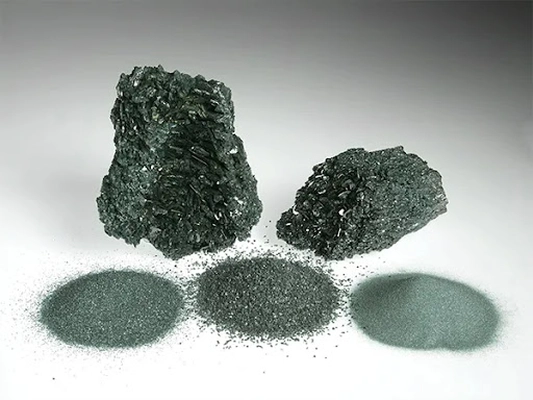
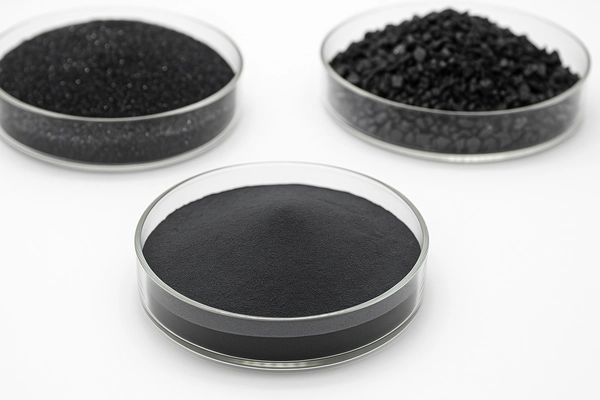
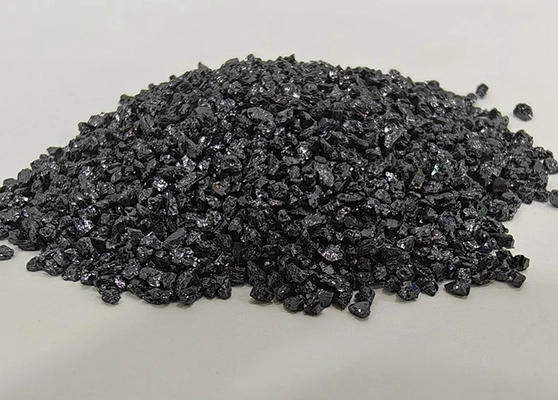
Silicon Carbide (SiC) is a compound made up of silicon and carbon. It is one of the hardest known materials, with a high melting point (around 2800°C), excellent thermal conductivity, and remarkable chemical stability. SiC is considered a wide bandgap semiconductor, meaning that its bandgap is much larger than that of conventional semiconductors like silicon (Si), making it ideal for high-performance applications that require high voltage, high temperature, and high-frequency operation.
Why is Silicon Carbide Considered a Semiconductor?
SiC is categorized as a semiconductor due to its ability to conduct electricity under specific conditions, making it ideal for use in electronic devices. Unlike insulators, which do not allow electrical current to flow, semiconductors have conductivity that can be controlled, allowing for the development of electronic components like diodes, transistors, and switches. Here's why Silicon Carbide is considered a semiconductor:
1. Wide Bandgap
One of the defining characteristics of a semiconductor is its bandgap, the energy difference between the valence band (where electrons are normally located) and the conduction band (where electrons can move freely). Silicon Carbide has a bandgap of around 3.26 eV, much larger than silicon’s bandgap of 1.1 eV. A wider bandgap allows SiC semiconductors to operate at higher voltages, frequencies, and temperatures compared to traditional silicon-based devices.
2. High Electrical Conductivity
Silicon Carbide’s ability to conduct electricity in a controlled manner makes it an excellent material for use in power electronics. It can handle much higher electric fields than silicon, which allows it to efficiently switch high voltages and currents with minimal energy loss. This high electrical conductivity is crucial in applications such as power converters, inverters, and motor drives.
3. High Thermal Conductivity
SiC's thermal conductivity is one of the highest among semiconductors, making it suitable for applications in environments with extreme heat. It can efficiently dissipate heat, which is essential in high-power electronics. SiC devices can operate at much higher temperatures (up to 600°C) than silicon devices (which typically operate at temperatures below 150°C), making SiC ideal for power electronics in automotive, industrial, and aerospace applications.
4. Strong Chemical Stability
SiC is chemically inert and highly resistant to oxidation and corrosion, which allows it to perform well in harsh environments. This property is particularly valuable in high-temperature applications such as power electronics, where other semiconductor materials may degrade or fail due to chemical reactions.
Applications of Silicon Carbide Semiconductors
Due to its unique properties, Silicon Carbide is widely used in various high-performance applications:
1. Power Electronics
SiC is used in power semiconductor devices such as diodes, transistors, and MOSFETs (metal-oxide-semiconductor field-effect transistors). These components are crucial for power management in applications like electric vehicles (EVs), solar inverters, industrial motor drives, and high-efficiency power supplies.
2. Electric Vehicles (EVs)
SiC is transforming the electric vehicle (EV) industry by improving the efficiency of inverters, chargers, and power control systems. The wide bandgap of SiC allows these components to operate at higher voltages and temperatures, improving energy efficiency and enabling faster charging times for EV batteries.
3. Renewable Energy
In renewable energy applications, SiC semiconductors are used in solar inverters and wind turbine systems to efficiently convert and manage energy. SiC-based devices enable higher efficiency in the conversion of DC (direct current) to AC (alternating current), reducing energy losses in solar panels and wind turbines.
4. Aerospace and Defense
In the aerospace and defense industries, SiC is used in radar systems, power conversion systems, and high-frequency communications equipment. The material's ability to operate in extreme temperatures and under high electric fields makes it ideal for space exploration and military applications.
5. Industrial Applications
SiC semiconductors are also used in industrial motor drives, high-voltage power supplies, and induction heating systems. Their efficiency, reliability, and ability to operate under harsh conditions make them ideal for industrial settings where performance and energy savings are critical.
Benefits of Silicon Carbide Semiconductors
Silicon Carbide semiconductors offer numerous benefits compared to traditional silicon-based devices:
- Higher Efficiency: SiC semiconductors are more efficient than silicon, allowing for smaller, lighter, and more efficient power systems, reducing energy loss and increasing reliability.
- High-Temperature Operation: SiC can operate at much higher temperatures than silicon devices, making it ideal for use in extreme environments such as electric vehicles, industrial equipment, and aerospace applications.
- Increased Power Density: SiC devices can handle more power in smaller sizes, which allows for more compact and cost-effective power systems.
- Faster Switching: SiC devices can switch on and off faster than traditional silicon devices, which improves the performance of power converters and inverters, enhancing system response times.
Conclusion
Silicon Carbide (SiC) is a powerful semiconductor material that offers superior performance compared to traditional silicon. Its wide bandgap, high thermal conductivity, and resistance to high temperatures make it ideal for high-power, high-efficiency applications. As the demand for more efficient energy conversion and processing systems grows, SiC is poised to play a significant role in industries like power electronics, electric vehicles, renewable energy, and aerospace.