Summary:
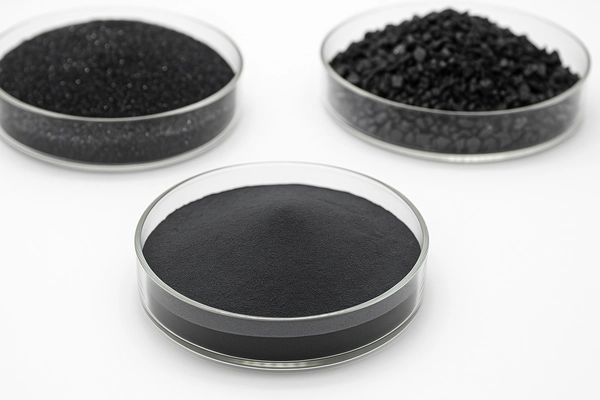
Silicon Carbide (SiC) is a fascinating compound that is used in both the semiconductor industry and advanced ceramics. Although both forms of SiC have the same chemical composition, they serve different purposes in different industries. Ceramic Silicon Carbide is widely used for its hardness and thermal resistance, while Semiconductor Silicon Carbide is valued for its electrical properties in high-performance electronic applications. This blog will explore the differences between Ceramic Silicon Carbide and Semiconductor Silicon Carbide, focusing on their crystal structures, preparation methods, purity levels, and applications.
What is Silicon Carbide?
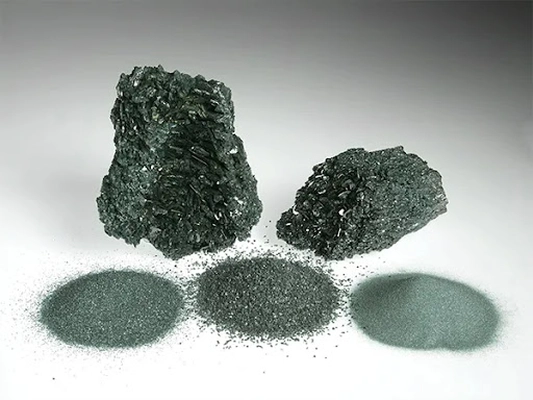
Silicon Carbide (SiC) is a compound made of silicon and carbon. It is one of the hardest materials known, with a high melting point (around 2800°C), excellent thermal conductivity, and remarkable chemical stability. SiC exists in several forms and has numerous applications, particularly in industries requiring high-performance materials. Despite sharing the same basic chemical composition, the form of SiC used in ceramics and semiconductors differs significantly in terms of purity, crystal structure, preparation methods, and applications.
Ceramic Silicon Carbide
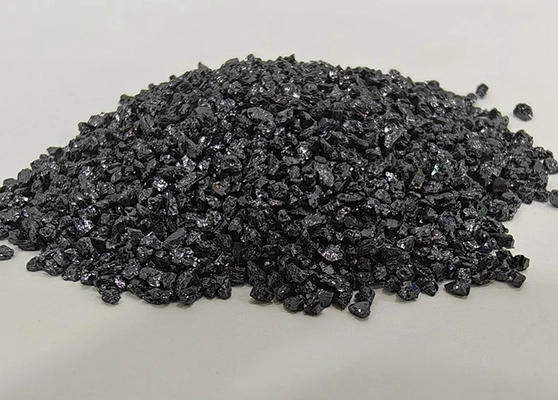
Ceramic Silicon Carbide refers to the use of SiC in the production of ceramics. These ceramics are hard, wear-resistant materials designed for high-performance applications. Ceramic SiC is primarily used in applications requiring high mechanical strength, thermal stability, and resistance to wear. It is often used in products like furnace linings, kiln furniture, and wear-resistant parts.
Properties of Ceramic Silicon Carbide
- Hardness: Ceramic SiC is one of the hardest materials, making it ideal for wear-resistant applications.
- High Thermal Conductivity: SiC efficiently dissipates heat, making it suitable for high-temperature applications.
- Excellent Wear Resistance: Ceramic SiC is resistant to abrasion and is commonly used in parts exposed to high wear, such as in pumps, valves, and mechanical seals.
- High-Temperature Stability: Ceramic SiC can withstand temperatures up to 1600°C, making it ideal for use in high-temperature environments such as furnaces and kilns.
Applications of Ceramic Silicon Carbide
Ceramic SiC is used in various industries where durability, wear resistance, and high-temperature stability are essential:
- Refractory Applications: SiC is used in the production of kiln furniture, furnace linings, and other high-temperature refractory components.
- Aerospace and Automotive: SiC is used for parts like brake rotors, carbide inserts, and wear-resistant coatings.
- Chemical Processing: SiC is used in mechanical seals, pumps, and valves due to its resistance to corrosion and wear.
- Armor Materials: Ceramic SiC is used in ballistic armor due to its hardness and ability to withstand impacts.
Semiconductor Silicon Carbide
Semiconductor Silicon Carbide is a form of SiC used in the electronics industry, particularly in power electronics. Due to its wide bandgap and exceptional electrical properties, SiC is used in high-power and high-frequency devices such as diodes, MOSFETs (metal-oxide-semiconductor field-effect transistors), and power converters. Semiconductor SiC is ideal for applications where high voltage, high temperature, and high efficiency are required.
Properties of Semiconductor Silicon Carbide
- Wide Bandgap: SiC has a wide bandgap (~3.26 eV), which allows it to operate at higher voltages and temperatures compared to traditional silicon-based devices.
- High Breakdown Voltage: SiC can handle much higher electric fields than silicon, making it ideal for high-power applications.
- High Thermal Conductivity: SiC has excellent thermal conductivity, which is crucial for electronics that need to operate in high-temperature environments.
- Energy Efficiency: SiC devices are more energy-efficient than traditional silicon-based devices, making them ideal for applications in electric vehicles, renewable energy systems, and power electronics.
Applications of Semiconductor Silicon Carbide
Semiconductor Silicon Carbide is used in a variety of applications that require high power, high efficiency, and high temperature tolerance:
- Power Electronics: SiC is used in diodes, transistors, and MOSFETs for power conversion systems, such as solar inverters, electric vehicle (EV) chargers, and motor drives.
- Electric Vehicles (EVs): SiC devices are used in inverters, power control systems, and battery management systems to improve energy efficiency and reduce charging times in electric vehicles.
- Renewable Energy: SiC is used in solar inverters and wind turbines to improve the efficiency of energy conversion and reduce losses in power systems.
- Aerospace and Defense: SiC is used in high-power radar systems, communications equipment, and high-frequency devices in aerospace and defense applications.
Key Differences Between Ceramic Silicon Carbide and Semiconductor Silicon Carbide
| Property | Ceramic Silicon Carbide | Semiconductor Silicon Carbide |
|---|---|---|
| Primary Use | Wear-resistant parts, high-temperature applications, refractory materials | Power electronics, high-voltage devices, energy-efficient systems |
| Bandgap | N/A | Wide bandgap (~3.26 eV) |
| Hardness | High hardness (Mohs 9) | Moderate hardness but optimized for electrical performance |
| Thermal Stability | Can withstand high temperatures (up to 1600°C) | High thermal conductivity for high-temperature electronics |
| Applications | Refractories, aerospace, armor, ceramics | Power diodes, MOSFETs, electric vehicles, solar energy systems |
Conclusion
While Ceramic Silicon Carbide and Semiconductor Silicon Carbide share the same basic chemical composition, their properties and applications differ significantly. Ceramic SiC is used for its mechanical strength, wear resistance, and high-temperature stability, making it ideal for industrial applications such as refractories and aerospace materials. In contrast, Semiconductor Silicon Carbide excels in power electronics, where its wide bandgap, high thermal conductivity, and energy efficiency make it an essential material for modern electronics and energy systems.