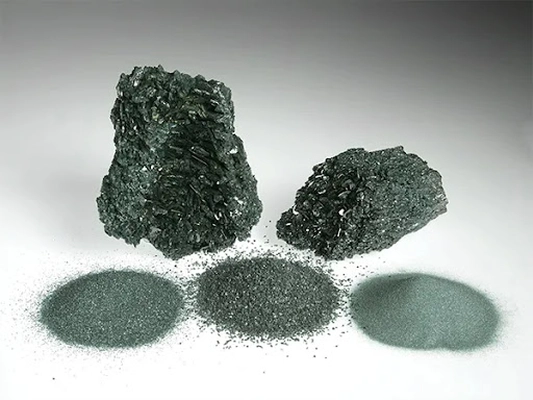
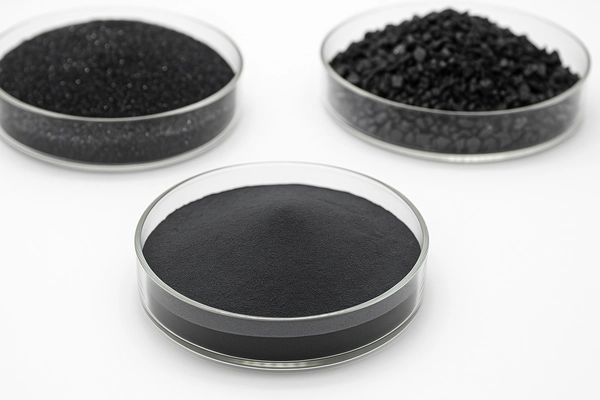
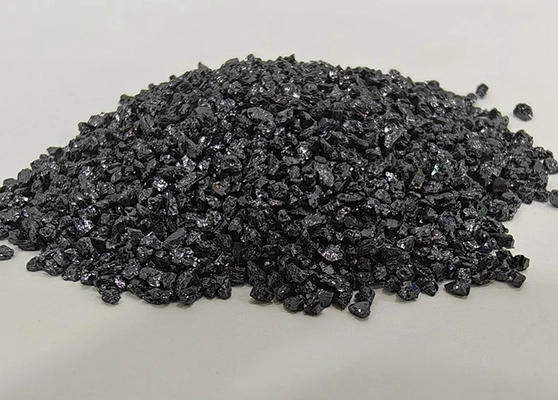
Quick Answer: Abrasives are materials used for grinding, polishing, and cleaning. Different types of abrasives, such as silicon carbide abrasives, aluminum oxide abrasives, and others, are used in various industries based on their hardness, durability, and application. In this article, we will explore the key differences, advantages, and applications of different abrasive materials.
What Are Abrasives?
Abrasives are materials that are used to wear away the surface of a softer material through friction. They are often used in various industrial processes such as grinding, cutting, polishing, and sanding. Abrasives come in many different forms, including powders, grits, and stones. The primary function of abrasives is to remove or smooth the surface of materials, making them essential in manufacturing, metalworking, and even household tasks.
Different Types of Abrasives
There are several types of abrasives, each with its unique characteristics and applications. Below we will discuss some of the most common abrasives used in various industries.
1. Silicon Carbide Abrasives
Silicon carbide (SiC) is one of the hardest materials known, making it ideal for tough grinding applications. It is produced by fusing silicon and carbon in an electric arc furnace. It has a hardness of around 9.5 on the Mohs scale, making it highly durable and suitable for high-performance applications.
Advantages: High hardness, excellent thermal conductivity, and wear resistance. It is also chemically resistant and can be used at high temperatures.
Disadvantages: Expensive compared to other abrasives like aluminum oxide, and brittle in nature, which can cause it to break under pressure.
2. Aluminum Oxide Abrasives
Aluminum oxide (Al₂O₃) is one of the most commonly used abrasives due to its good balance between cost and performance. It has a hardness of about 9 on the Mohs scale, making it suitable for a wide range of industrial applications. Aluminum oxide is available in two main forms: white and brown, with brown being more commonly used for tougher applications.
Advantages: Cost-effective, available in various grades, and suitable for grinding metals, wood, and plastics. It is also durable and provides sharp cuts for heavy-duty grinding.
Disadvantages: It is not as hard as silicon carbide and can wear out quicker in high-performance applications. Also, it can be too soft for very hard materials like ceramics or carbide tools.
3. Brown Fused Alumina Abrasives
Brown fused alumina is produced by melting bauxite in an electric arc furnace. It is a popular choice for abrasives because of its relatively lower cost and superior toughness, making it ideal for heavy-duty grinding applications.
Advantages: Tougher and more durable than white alumina, making it ideal for aggressive grinding and polishing applications. It is also more affordable than silicon carbide.
Disadvantages: Less pure than white alumina, which makes it less effective for precision grinding tasks.
4. White Fused Alumina Abrasives
White fused alumina is made from the fusion of high-purity alumina in an electric arc furnace. It is used in precision grinding and is suitable for producing a very smooth finish.
Advantages: Higher purity, more suitable for delicate and high-precision applications. It provides a sharper edge for fine grinding and polishing.
Disadvantages: More expensive than brown fused alumina, and it can wear out faster during heavy-duty tasks.
5. Other Abrasive Materials
- Garnet: A natural abrasive used for waterjet cutting and sandblasting applications.
- Diamond: The hardest abrasive, used for cutting and grinding very hard materials like glass, ceramics, and stone.
- Quartz: A natural abrasive used for polishing and grinding in the manufacturing of glass and ceramics.
Applications of Abrasive Materials
Abrasives are used in a wide range of applications across various industries. Here are some of the most common applications:
1. Grinding and Cutting
Abrasives are commonly used in grinding wheels and cutting tools for shaping and cutting hard materials such as metal, concrete, and ceramics.
2. Sandblasting
Sandblasting uses abrasives like silicon carbide and aluminum oxide to clean surfaces or remove rust, paint, and contaminants from materials like metal, stone, and wood.
3. Polishing
Polishing abrasives like silicon carbide powder are used for fine finishing and achieving a smooth, glossy surface on materials such as metal, glass, and ceramics.
4. Electronics and Semiconductor Manufacturing
Abrasives play a vital role in the production of semiconductors and electronic components by polishing and etching materials for precise applications in devices like computers and mobile phones.
5. Automotive Industry
In the automotive industry, abrasives are used for surface finishing, polishing of engine parts, and grinding to achieve desired material properties.
Comparison of Abrasive Materials
| Parameter | Silicon Carbide | Aluminum Oxide | Brown Fused Alumina | White Fused Alumina |
|---|---|---|---|---|
| Hardness | 9.5 | 9 | 9 | 9 |
| Durability | High | Moderate | High | Moderate |
| Cost | High | Low | Moderate | High |
| Best for | Precision grinding, polishing | General grinding, cutting | Heavy-duty grinding | Precision grinding |
FAQs
What is the difference between silicon carbide and aluminum oxide abrasives?
Silicon carbide is harder and more brittle than aluminum oxide, making it suitable for precision grinding and polishing. Aluminum oxide is tougher and more durable, making it better for general grinding applications.
Which abrasive is best for metalworking?
Aluminum oxide and brown fused alumina are commonly used in metalworking for cutting and grinding tasks due to their toughness and durability.
Can abrasives be used on all materials?
No, different abrasives are suitable for different materials. For example, silicon carbide is ideal for hard materials like ceramics and glass, while aluminum oxide is better suited for softer metals and wood.
References
- ASM Handbook – Materials Science on Abrasives
- FEPA standards for abrasive materials
- Journal of Ceramic and Materials Science on Silicon Carbide applications