Summary:
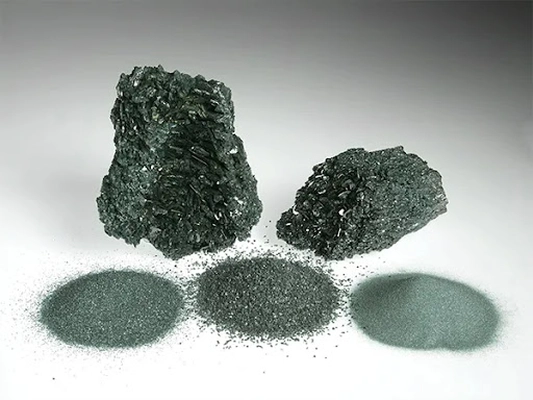
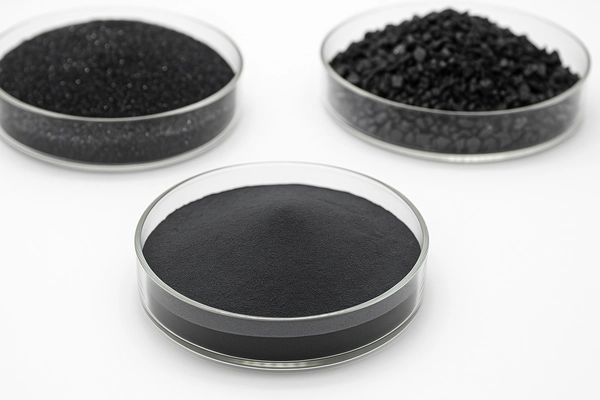
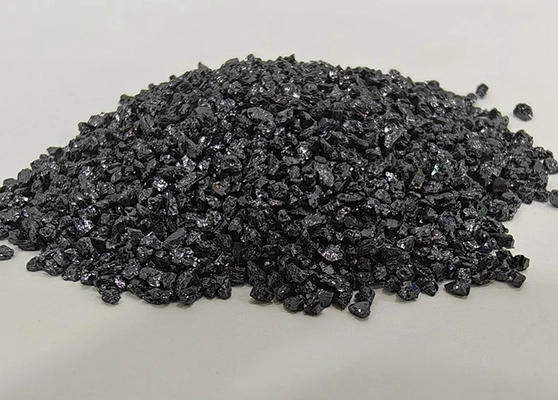
Silicon Carbide (SiC) is one of the hardest and most durable materials available, making it an ideal choice for use as an abrasive. In this article, we will explore why SiC is widely used as an abrasive material, its key advantages, and its applications across various industries such as automotive, manufacturing, and electronics. By understanding the unique properties of SiC, we can see why it is the material of choice for cutting, grinding, and polishing in demanding applications.
1. What Is Silicon Carbide (SiC)?
Silicon Carbide (SiC) is a compound made of silicon and carbon, known for its exceptional hardness and thermal conductivity. It ranks 9-9.5 on the Mohs scale of mineral hardness, just below diamond, which makes it one of the hardest materials available. These properties allow SiC to withstand extreme conditions, making it ideal for use as an abrasive in various industrial applications. Its ability to maintain sharpness, resist wear, and endure high temperatures makes it a superior choice for grinding, cutting, and polishing tasks across many industries.
2. Key Advantages of Silicon Carbide as an Abrasive
There are several key reasons why Silicon Carbide is used as an abrasive material in a wide range of applications:
- Hardness: SiC’s hardness allows it to easily cut, grind, and polish materials such as metals, ceramics, and glass. Its sharp edges effectively remove material without dulling quickly, making it a durable choice for heavy-duty tasks.
- High Thermal Conductivity: SiC’s ability to conduct heat efficiently prevents overheating during abrasive operations, which can lead to faster processing and longer tool life.
- Resistance to Wear: Due to its extreme hardness, SiC resists wear and tear, meaning that abrasives made from SiC maintain their cutting power longer than other materials, reducing the need for frequent replacements.
- Chemical Stability: Silicon Carbide is chemically stable and resistant to many acids and alkalis, making it effective in harsh chemical environments where other abrasives may break down or degrade.
- Environmental Resistance: SiC is highly resistant to high temperatures, oxidation, and corrosion, allowing it to perform well in extreme conditions, such as high-speed machining or high-precision grinding.
3. Applications of Silicon Carbide Abrasives
Silicon Carbide is widely used as an abrasive material in various industries due to its exceptional properties. Here are some of the most common applications of SiC abrasives:
3.1 Automotive Industry
In the automotive industry, SiC abrasives are commonly used for grinding and polishing engine components, brake systems, and gears. The ability of SiC to withstand high temperatures and pressures makes it ideal for processing tough materials like steel and aluminum. Additionally, SiC abrasives are used in the production of cutting tools and for surface preparation in automotive manufacturing processes.
3.2 Manufacturing and Metalworking
In manufacturing and metalworking, Silicon Carbide is used for grinding, lapping, and polishing a variety of metals and alloys. The abrasive properties of SiC make it a popular choice for finishing tools, metal surfaces, and precision components. It is especially effective in cutting hard materials such as titanium, ceramics, and composites, which are commonly used in aerospace and defense applications.
3.3 Electronics and Semiconductor Industry
SiC is also a key material in the electronics industry, particularly in the production of semiconductors. SiC wafers are used in the production of high-power, high-frequency devices such as power diodes and transistors. As an abrasive, SiC is used for polishing and preparing semiconductor wafers for device fabrication, ensuring smooth and uniform surfaces essential for optimal performance.
3.4 Glass and Ceramic Industry
SiC abrasives are widely used in the glass and ceramics industry for cutting and polishing glass, tiles, and ceramic materials. The hardness and durability of SiC make it effective for shaping and finishing delicate surfaces without causing cracks or surface damage. It is also used in the production of grinding wheels and abrasive belts for polishing and finishing glass and ceramic products.
4. How Does Silicon Carbide Compare to Other Abrasives?
While there are other common abrasives, such as aluminum oxide (Al2O3) and zirconia, Silicon Carbide stands out for several reasons. Compared to aluminum oxide, SiC is much harder and more efficient at cutting hard materials. Although aluminum oxide is cheaper and more commonly used, SiC is preferred in high-performance applications where speed, precision, and durability are essential. Zirconia, on the other hand, is tougher than SiC but not as sharp. For tasks requiring high precision and fine finishes, SiC remains the superior choice.
5. Conclusion: The Versatility of Silicon Carbide Abrasives
Silicon Carbide’s unique properties—hardness, thermal conductivity, resistance to wear, and chemical stability—make it an indispensable abrasive material in a variety of industries. Whether it's automotive manufacturing, metalworking, electronics, or ceramics, SiC abrasives are highly effective at cutting, grinding, and polishing, delivering high-quality results. Its ability to perform in extreme conditions while maintaining sharpness and durability ensures its place as a top choice for abrasive materials.
As industries continue to push for higher performance, greater efficiency, and precision, Silicon Carbide abrasives will remain a critical material in meeting these demands, making it an essential component in modern manufacturing and technology.