Summary:
Silicon carbide is one of the most widely used abrasive materials in both bonded abrasives and coated abrasives due to its sharp cutting ability, high hardness, and thermal stability. It is particularly effective for grinding non-ferrous metals, ceramics, glass, and hard brittle materials. In this article, we explore how silicon carbide performs in bonded and coated abrasive systems, how to select the right grit and type, and what buyers should consider when sourcing materials for abrasive production.
What Is Silicon Carbide in Abrasive Applications?
Silicon carbide is a synthetic abrasive material produced through high-temperature processing of silica and carbon. Known for its hardness and sharp grain structure, it is widely used in applications where fast cutting and consistent performance are required.
In abrasive manufacturing, silicon carbide is typically used in two major systems:
- Bonded abrasives – such as grinding wheels and stones
- Coated abrasives – such as sandpaper and abrasive belts
Each system has different requirements for grain shape, size distribution, and bonding compatibility.
Silicon Carbide for Bonded Abrasives
Bonded abrasives are formed by combining abrasive grains with bonding materials such as vitrified bonds, resin bonds, or metal bonds. Silicon carbide plays a key role in these systems due to its sharpness and cutting efficiency.
Key Advantages in Bonded Systems
- Sharp grains enable fast material removal
- Low heat generation reduces thermal damage
- Excellent performance on hard and brittle materials
- Consistent fracture behavior ensures self-sharpening
Silicon carbide is particularly suitable for grinding:
- Cast iron
- Non-ferrous metals
- Ceramics
- Glass
- Stone materials
Typical Grit Selection
In bonded abrasives, grit size selection depends on the application:
- Coarse grits (e.g., F24–F60) for heavy grinding
- Medium grits (e.g., F80–F120) for general purpose grinding
- Fine grits (e.g., F150–F220) for finishing
Uniform grain size distribution is essential to ensure consistent wheel performance and avoid imbalance during operation.
Silicon Carbide for Coated Abrasives
Coated abrasives are produced by bonding abrasive grains onto flexible backing materials such as paper, cloth, or film. Silicon carbide is widely used in these systems due to its ability to produce smooth and consistent surface finishes.
Key Advantages in Coated Systems
- Sharp grain edges provide clean cutting action
- Excellent surface finish quality
- Suitable for dry and wet sanding applications
- High efficiency on hard surfaces
Typical applications include:
- Wood finishing
- Automotive refinishing
- Metal polishing
- Glass and plastic sanding
Common Grit Ranges
Coated abrasives often use a wider range of grit sizes:
- P60–P120 for initial sanding
- P150–P320 for intermediate finishing
- P400–P1500 for fine polishing
For ultra-fine applications, silicon carbide can also be used in micro-grit ranges for precision finishing.
Green vs Black Silicon Carbide in Abrasives
The choice between green and black silicon carbide depends on performance requirements.
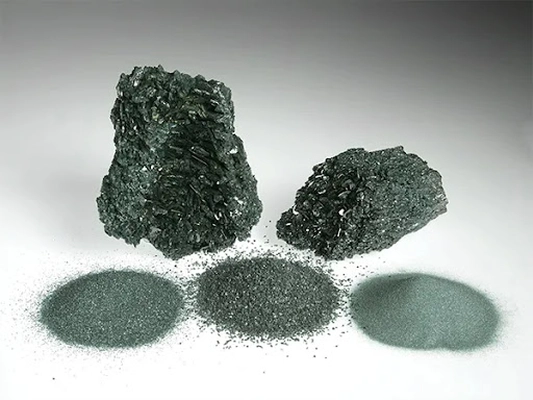
Green Silicon Carbide
Green SiC offers higher purity and sharper cutting edges, making it suitable for:
- Precision grinding
- Optical applications
- Advanced ceramics
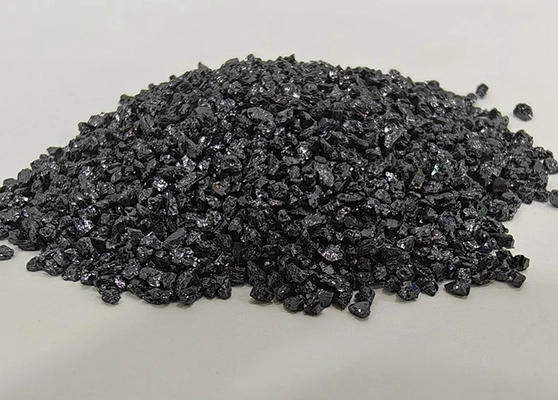
Black Silicon Carbide
Black SiC is more economical and widely used in:
- General grinding wheels
- Sandpaper production
- Blasting applications
For most coated abrasives, black silicon carbide provides a cost-effective solution, while green SiC is selected for high-end applications.
Key Factors When Selecting Silicon Carbide for Abrasives
When sourcing silicon carbide for bonded or coated abrasive production, several factors should be evaluated:
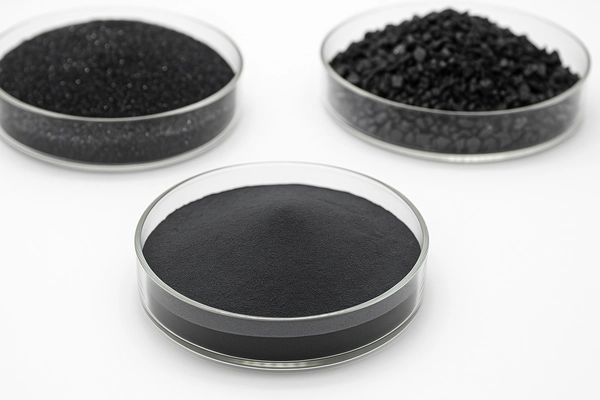
- Particle size distribution – affects cutting consistency
- Bulk density – impacts bonding strength
- Purity level – important for precision applications
- Grain shape – influences cutting efficiency
- Bond compatibility – critical for product stability
Stable quality across batches is essential for manufacturers to maintain consistent product performance.
Manufacturing Considerations
In bonded abrasive production, silicon carbide must withstand high-temperature firing processes without degrading. In coated abrasives, grain adhesion and electrostatic coating behavior are critical factors.
Choosing the right supplier ensures:
- Consistent grain shape and hardness
- Reliable supply capacity
- Technical support for application matching
Conclusion
Silicon carbide remains a core material in both bonded abrasives and coated abrasives due to its superior cutting performance and versatility. Its ability to handle hard and brittle materials makes it indispensable in modern abrasive manufacturing.
By selecting the right type, grit size, and quality level, manufacturers can improve efficiency, reduce defects, and enhance the overall performance of their abrasive products.