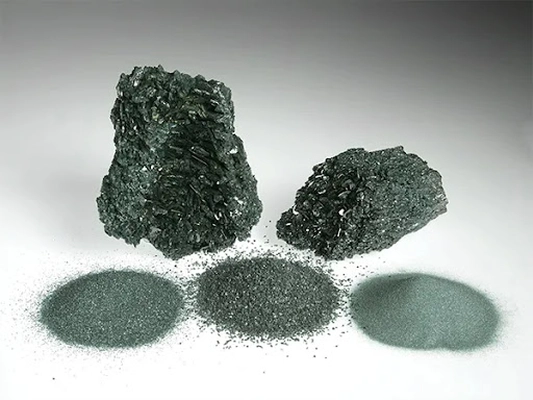
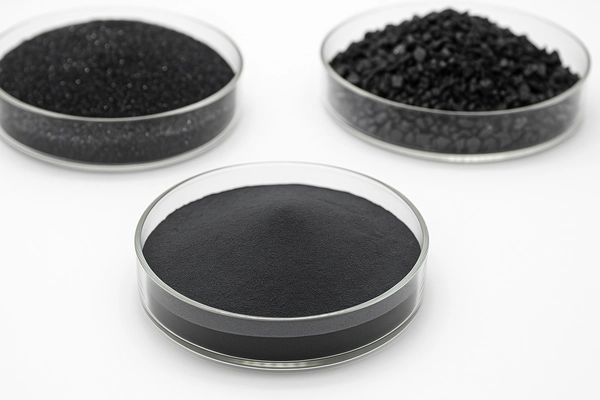
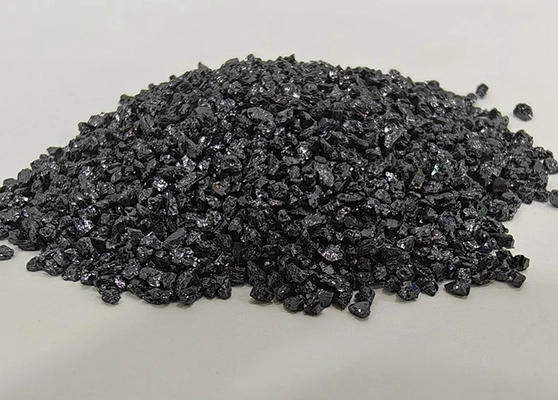
Silicon carbide has become a key raw material in modern refractory design. Its combination of high thermal conductivity, excellent corrosion resistance, and strength at elevated temperatures makes it an important component in bricks, castables, kiln furniture, and monolithic linings. This article looks at how refractory producers and end users can use SiC to improve lining life and furnace efficiency.
Introduction
Refractory linings operate in some of the harshest environments found in industry: high temperatures, rapid temperature changes, aggressive slags, and continuous mechanical stress. In these conditions, conventional alumino-silicate materials sometimes reach their limits. Silicon carbide can help extend service life by contributing both mechanical strength and chemical stability to the system.
Refractory-grade SiC differs from abrasive or metallurgical grades in the way particle size, purity, and microstructure are balanced. It is not simply “another aggregate” but a design tool that can influence thermal gradients, slag interaction, and crack propagation. Understanding these roles is essential when specifying materials for new linings or upgrading existing ones.
The following sections give an overview of the material’s properties, common grain sizes, and how it is used in bricks and castables. The perspective is practical: aimed at engineers, buyers, and production managers who need dependable raw materials and a clear technical basis for their decisions.
1. The Role of Silicon Carbide in Refractories
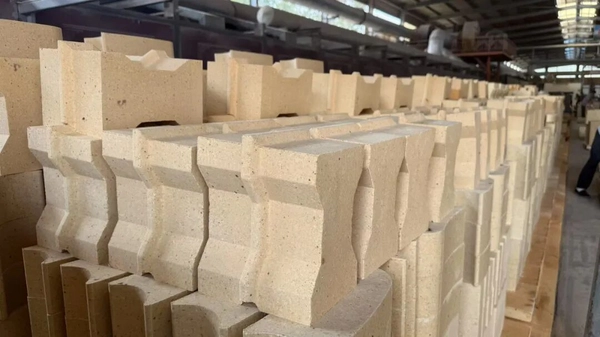
In refractory formulations, silicon carbide is typically used as a coarse or intermediate aggregate. Its main functions include:
- Carrying mechanical load at high temperature
- Improving resistance against slag and metal penetration
- Enhancing thermal conductivity to reduce local hot spots
- Helping control thermal shock behavior and crack growth
When correctly combined with alumina, clays, or other matrix components, SiC contributes to linings that are both robust and predictable in service. This is particularly valuable in zones exposed to direct flame, slag flow, or rapid cycling.
2. Key Properties Relevant to Lining Design
Several material characteristics explain why silicon carbide is widely used in refractory systems:
- High thermal conductivity – helps distribute heat more evenly across the lining.
- Low thermal expansion – reduces the tendency to crack during heat-up and cool-down.
- Good oxidation resistance (when properly bonded or protected) – especially in controlled atmospheres.
- High strength at elevated temperature – supports structural integrity under load.
- Chemical stability – resists attack by many slags and metals when correctly combined with other phases.
Refractory-grade material is usually designed to balance these strengths with practical requirements such as workability in castables and compatibility with different bonding systems.
3. Refractory Grades and Typical Grain Sizes
Silicon carbide used for refractories is often supplied as a range of carefully graded fractions. Common options include:
- Coarse: 3–10 mm for bricks and heavy-duty aggregates
- Intermediate: 1–3 mm or 0–3 mm for castables and ramming mixes
- Fine: <1 mm for improving packing density and matrix performance
Purity levels are selected according to the application. For example, linings exposed to aggressive slags or where steel cleanliness is critical may benefit from higher-purity SiC, while other zones may work well with more economical grades.
A dedicated product overview of silicon carbide grains can be found on the main SiC page of the supplier’s website when you need detailed grain size tables and chemistry ranges.
4. Typical Applications in Industrial Furnaces
Refractory-grade silicon carbide is used in many high-demand areas, including:
- Tap hole and slag line areas in steel ladles and furnaces
- Burner and hot-face zones in rotary kilns and shaft kilns
- Wear-resistant linings in non-ferrous metallurgy
- Kiln furniture and setters in ceramic production
- Monolithic linings for waste incineration or chemical reactors
In each of these applications, the goal is to extend maintenance intervals and ensure more stable operating conditions over the campaign life.
5. Design Considerations When Using SiC in Castables and Bricks
Working with silicon carbide requires some design choices that differ from conventional alumina or basic refractories:
- Matrix composition: the fines and bonding system must be adapted to accommodate the thermal expansion and chemical behavior of SiC.
- Oxidation control: in certain atmospheres, an oxide layer can form; formulations often take this into account with additives or protective phases.
- Thermal profile: high thermal conductivity changes how heat flows through the lining and may influence back-up insulation design.
- Installation method: vibration casting, gunning, or ramming mixes may require different particle size distributions and water demands.
Cooperation between the refractory producer, raw materials supplier, and end user is often the most efficient way to optimize these parameters.
6. Specifications to Discuss with a Raw Materials Supplier
When speaking with a refractory raw materials supplier about silicon carbide, useful topics include:
- Target grain size distribution and available fractions
- Standard and high-purity chemistry options
- Limits on Fe₂O₃ and other oxides relevant to your process
- Bulk density and its impact on castable formulation
- Repeatability from batch to batch and documentation offered
Clear communication about working conditions—temperature range, atmosphere, type of slag or metal contact—helps the supplier recommend the most appropriate grade rather than a generic option.
7. Packaging, Handling, and Supply Stability
For refractories, silicon carbide is commonly delivered in:
- 25 kg bags for flexible dosing and smaller batch mixes
- 1-ton jumbo bags for large-scale brick and castable production
- Palletized loads suitable for container transport
Stable furnace operation often depends on steady raw material quality. Long-term agreements with a supplier who understands your production schedule and stock requirements can reduce the risk of interruptions and formulation changes.
8. How CanAbrasive Supports Refractory Producers
CanAbrasive supplies silicon carbide grains suitable for refractory applications with attention to consistent sizing, reliable chemistry, and timely delivery. We work with brick plants, monolithic producers, and end users who are upgrading existing linings or designing new ones.
In addition to raw material supply, our team can share experience from different furnace types, helping customers compare options and understand how SiC might influence lining behavior over the full campaign.
9. FAQ
Q1: Why is silicon carbide added to refractory castables and bricks?
It is used to improve resistance to thermal shock, slag and metal attack, and to increase strength at elevated temperatures. Its thermal conductivity also helps reduce localized overheating.
Q2: What is meant by “refractory grade” silicon carbide?
The term refers to SiC that is selected and graded specifically for use in refractory formulations, with attention to grain size, chemistry, and behavior in high-temperature environments.
Q3: Can the same SiC be used for both refractories and abrasives?
In some cases the base material is similar, but the required grading, surface condition, and documentation differ. It is generally better to choose a grade developed for the intended application.
Q4: How do I choose the right grain size for my lining?
The choice depends on the type of product (brick or castable), installation method, and required density. Discuss your formulation and process with the raw materials supplier to select suitable fractions.
Q5: Does higher purity always mean better performance?
Not necessarily. Higher-purity SiC can improve behavior in some severe environments, but the overall lining design, matrix composition, and operating conditions are equally important. A balanced approach is recommended.
10. Contact and Technical Support
If you are considering silicon carbide in a new refractory formulation or looking to upgrade an existing lining, our team can provide information on available grades, typical performance, and supply options.
WhatsApp: +86-17803859504
Website: https://canabrasive.com